
How to Choose the Right Electrical Control Solutions for Your Business

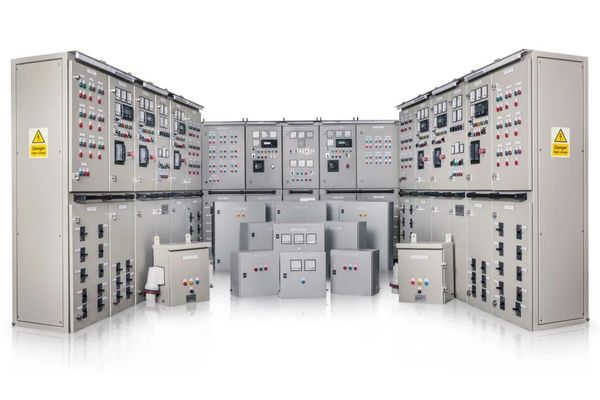
Choosing the right electrical panel manufacturer can have a significant impact on your business operations, safety, and long-term efficiency. Whether you’re setting up a new facility, upgrading existing infrastructure, or looking to reduce downtime, the decisions you make today about your electrical control systems can shape your business performance for years to come.
This guide will walk you through everything you need to know without jargon overload. From understanding the roles of control panels to recognising the difference between MCC, PCC, and APFC panels and evaluating reliable manufacturers in India like Dj Electro Controls, we’ve got it covered.
Let’s begin with the foundation.
The Role of Electrical Control Panels in Industrial Operations
Electrical control panels are the central nervous system of your plant or facility. They regulate and manage electrical power distribution, motor control, automation, and protection systems.
Whether it’s a factory floor, commercial building, or an energy-intensive production unit, electrical control panels ensure everything runs smoothly and safely.
Here’s why they matter:
- Safety – Panels protect against electrical faults and overloads.
- Productivity – They automate and streamline operations.
- Longevity – Protect machinery from voltage fluctuations and surges.
- Compliance – Ensure adherence to national and international electrical standards.
And to get these benefits, it starts with choosing the right solution and the right electrical panel manufacturer.
Why Choosing the Right Electrical Panel Manufacturer Matters
Manufacturers are not all the same. Your selection can impact:
- Panel quality and lifespan
- Compliance with IEC/IS standards
- Customisation options
- After-sales support and servicing
- Integration with automation systems
An experienced electrical panel manufacturer in India like Dj Electro Controls brings not just hardware but decades of application knowledge and engineering precision.
Understanding How Electrical Control Panels Work
At its core, an electrical control panel routes and controls electricity flowing to different equipment. But its real function is to keep everything stable and safe—acting as the “brain” that tells each component when to start, stop or adjust operations.
A simplified explanation:
- Incoming power enters the panel from the main supply.
- Control devices manage what goes where (like switches, contactors, relays).
- Protection devices like MCBs and MCCBs protect against overloads or short circuits.
- Indicators and monitoring systems provide feedback and alerts to users.
Every component inside is placed with intent and that’s where the role of panel design and manufacturing comes in.
Common Types of Electrical Control Panels Used in Industry
Not all panels serve the same purpose. Depending on your application, power load, and operational complexity, here are the most widely used types of electrical control panels:
1. Motor Control Centre (MCC) Panels
- Used to control multiple motors from a central location.
- Key for industries with conveyor systems, pumps, fans, and heavy-duty machinery.
2. Power Control Centre (PCC) Panels
- Handle high tension power and distribute it to sub-loads.
- Installed at the main power distribution level in large industries.
3. Automatic Power Factor Control (APFC) Panels
- Improve power factor and reduce electricity bills.
- Automatically adjust reactive power depending on load changes.
4. Automation Panels (PLC/SCADA based)
- Designed for automation and intelligent control.
- Ideal for advanced industries, including pharmaceuticals and packaging.
5. Distribution Panels
- Used to distribute power to multiple circuits within a building or system.
Key Electrical Control Panel Components You Should Know
Knowing what’s inside your panel helps you understand quality. These electrical control panel components make up the backbone of its functionality:
- Main Circuit Breaker – Disconnects power supply during faults.
- Bus Bars – Conductive strips to distribute power.
- MCBs/MCCBs – Protect circuits from overloads.
- Contactors & Relays – Control high voltage/current using low-voltage triggers.
- Overload Relays – Provide protection from overheating.
- Control Switches – Start/stop commands.
- Indicator Lamps – Status updates of power conditions.
- Wiring & Terminals – Organised pathways for electrical flow.
Quality components ensure reliable performance. That’s why your manufacturer must use certified, tested parts.
Difference Between MCC, PCC, and APFC Panels
Business owners often ask about the difference between MCC, PCC, and APFC panels especially when setting up new systems. Here’s how they compare:
| Panel Type | Purpose | Key Features | Best For |
| MCC (Motor Control Centre) | Controls and protects motors | Includes starters, VFDs, overload relays | Manufacturing units, pump houses |
| PCC (Power Control Centre) | Distributes large power loads | Central control of electrical distribution | Large industrial plants |
| APFC (Automatic Power Factor Control) | Improves power factor automatically | Uses capacitors, relays for power compensation | Industries with variable loads |
Each plays a unique role. Picking the right one depends on your load profile, machinery, and operational goals.
How to Choose the Right Electrical Control Solution for Your Business
Selecting the best control solution goes beyond buying a box of wires and components. Here’s what to assess:
1. Understand Your Application
- What are you controlling? Motors, lighting, HVAC, or automation systems?
- What voltage and current levels are involved?
2. Power Load Calculations
- Determine the total connected and demand load.
- Factor in future expansion to avoid frequent upgrades.
3. Space and Installation Requirements
- Will the panel be wall-mounted or free-standing?
- Indoor or outdoor location? (Decides enclosure ratings)
4. Customisation Needs
- Do you need PLC integration, touchscreen HMIs, or remote monitoring?
5. Compliance & Safety Standards
- Verify IS/IEC compliance
- Look for IP ratings (like IP54/IP65) for dust and moisture protection
6. After-Sales Support
- Choose a manufacturer with accessible support, spare parts, and maintenance services.
A reliable electrical panel manufacturer can guide you through these decisions offering end-to-end solutions from design to installation.
Why Dj Electro Controls is Among the Best Electrical Panel Manufacturers in India
With over 20 years of industry experience, Dj Electro Controls stands out in the Indian market for high-performance, cost-effective, and standard-compliant panel solutions.
Here’s what makes them different:
- Custom-built solutions tailored for specific industries
- In-house R&D and testing facility for quality assurance
- Timely project execution with detailed documentation
- Compliance with IS, IEC, and CE standards
- End-to-end service – design, manufacturing, installation, and support
Their panels are trusted across industries such as textiles, pharmaceuticals, water treatment, food processing, and more.
Real Benefits of Investing in the Right Control Panel Solution
When you choose wisely, you get:
- Lower energy costs with optimised power factor
- Minimised downtime due to quality components and layout
- Safer working conditions for employees
- Easier maintenance and upgrades
- Compliance with audits and certifications
The wrong choice, however, may lead to repeated faults, loss of production, or even fire hazards.
Frequently Asked Questions
Q1. What factors affect the cost of an electrical control panel?
Answer: Costs depend on panel type, size, components used, automation level, enclosure type, and compliance requirements.
Q2. Which is better: MCC or PCC panel for my factory?
Answer: They serve different purposes. MCC is ideal for controlling motors, while PCC is designed for distributing large power loads. You may need both in a single system.
Q3. How often should electrical control panels be maintained?
Answer: Regular inspection every 6 to 12 months is advisable, including testing of breakers, tightening of terminals, and visual checks.
Q4. Is it necessary to use APFC panels?
Answer: If your industry faces penalties for low power factor, APFC panels help improve efficiency and reduce electricity bills.
Q5. Can I upgrade my old panel with automation features?
Answer: Yes, many existing panels can be retrofitted with PLCs, HMIs, and SCADA integration depending on their condition and space.
Q6. What certifications should I look for in an electrical panel?
Answer: Look for IS, IEC, and CE markings. Also, IP-rated inclosures for environmental protection.
Q7. What is the typical lifespan of a control panel?
With proper maintenance, most panels last between 10 to 15 years, or more if built with high-quality components.
Final Thoughts
Making the right decision for your control panel requirements is not just about budget. It’s about selecting a system that grows with your business, protects your equipment, and saves operational costs in the long run.
Whether you’re setting up a new industrial unit or upgrading your current setup, consulting an experienced electrical panel manufacturer like Dj Electro Controls can make all the difference.
Start your journey towards safer, smarter, and scalable electrical systems today.