

Switchgear Panel Selection Guide for Industrial Power Distribution

Introduction
A Switchgear Panel plays a major role in how electricity is controlled, protected, and distributed inside an industrial setup. Within the first few moments of entering a factory, power plant, or commercial unit, every machine, motor, and lighting point depends on a well planned electrical distribution system. Yet many buyers and engineers still feel confused while deciding which switchgear panel suits their application. This guide is written to simplify that decision process, using clear language and practical examples that suit Indian and global industries alike.
Industrial power distribution is not only about handling electricity. It is about safety, reliability, energy control, and long term operational stability. Choosing the right panel avoids downtime, protects equipment, and supports future expansion without frequent redesign.
Understanding Switchgear Panel in Industrial Power Distribution
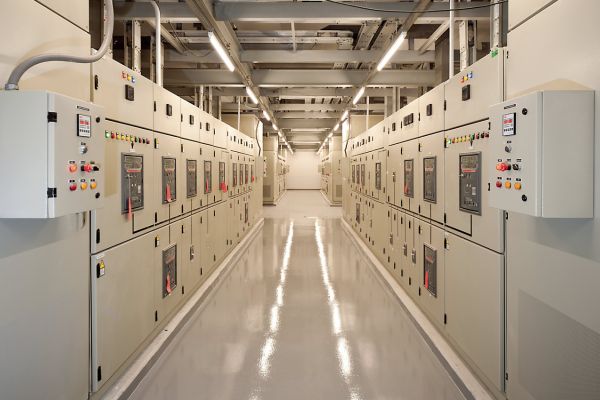
A switchgear panel is an assembly of electrical components used to control, isolate, and protect electrical circuits. These panels manage power flow from the main source to different loads across an industrial facility.
In simple terms, a switchgear panel acts as a control centre. It decides where electricity goes, how much flows, and what happens when something goes wrong. From switching machines on and off to handling fault conditions, the panel stands between power supply and end equipment.
Role of Switchgear Panel in an Electrical Distribution System
An electrical distribution system depends on switchgear panels to perform several tasks at once. It handles incoming power, divides it into outgoing feeders, and protects each circuit independently. When designed correctly, it helps reduce electrical losses and improves overall plant safety.
Without a properly selected industrial power distribution panel, even a high quality power source can lead to failures, overheating, or unsafe working conditions.
How to Select Switchgear Panel for Industrial Use
Many users search for how to select switchgear panel because the process involves more than just current rating.
Load Calculation
Understanding connected load is the first step. Motors, lighting, heaters, and spare capacity must be considered together.
| Load Element | What to Check |
| Motors | Starting current |
| Lighting | Continuous load |
| Heating | Power rating |
| Expansion | Spare margin |
Selecting a panel only for current demand limits future growth.
Voltage Rating and Application
Most industries use LT switchgear panel for industry operating up to 415V. These panels serve factories, commercial buildings, and infrastructure projects.
| Application | Panel Type |
| Manufacturing units | LT panels |
| Process plants | MCC panels |
| Main power control | PCC panels |
Matching voltage level with application avoids operational stress.
Switchgear Panel Types and Uses
Different industries require different switchgear panel types and uses. Each panel type serves a specific purpose within the power network.
LT Switchgear Panel for Industry
LT panels handle low voltage distribution and control. They are widely used across factories, commercial buildings, and infrastructure projects.
Common applications include:
- Power distribution to machines
- Lighting control
- Motor control circuits
Motor Control Centre Panels
MCC panels control motors used in pumps, compressors, conveyors, and fans. They allow centralised control and protection for multiple motors.
Power Control Centre Panels
PCC panels manage high capacity feeders and incoming power from transformers or generators. They act as the backbone of the electrical distribution system.
Importance of IEC Standards for Switchgear
IEC standards for switchgear define safety, performance, and testing requirements. Panels built according to these standards offer consistent quality and predictable performance.
Following IEC guidelines helps industries meet global compliance expectations, especially for export oriented manufacturing units.
| IEC Standard | Purpose |
| IEC 61439 | Low voltage switchgear assemblies |
| IEC 60947 | Control and protection devices |
| IEC 60529 | Degree of protection IP rating |
Panels designed under these standards offer better operational trust.
Environmental and Installation Factors
The surrounding environment plays a major role in switchgear panel selection. Temperature, humidity, dust, and chemical exposure influence panel design.
Indoor vs Outdoor Installation
Indoor panels focus on compact design and ease of access. Outdoor panels need weather protection, higher enclosure rating, and corrosion resistance.
| Condition | Design Requirement |
| Dusty area | Higher IP enclosure |
| Humid location | Anti condensation heaters |
| Outdoor use | Weatherproof enclosure |
Safety Features to Look For
Safety remains one of the top concerns in industrial power distribution panel selection. Modern panels include multiple safety features that protect people and equipment.
These include:
- Short circuit protection
- Overload protection
- Earth fault protection
Clear labelling, proper segregation, and reliable components add to overall safety performance.
Maintenance and Accessibility
Ease of maintenance affects long term cost. Panels should allow safe inspection, quick component replacement, and simple testing.
A well designed panel reduces downtime and avoids complex shutdown procedures. Front access design and clear wiring layouts help technicians work safely.
Role of Switchgear Panel Manufacturer in India
A trusted switchgear panel manufacturer in India understands local operating conditions, voltage practices, and industry needs. Working with an experienced manufacturer helps align panel design with site realities.
Indian manufacturers also offer better service access, spare availability, and faster technical support.
Choosing an Electrical Panel Manufacturer India
When selecting an electrical panel manufacturer India based clients often consider:
- Manufacturing experience
- Compliance with IEC standards
- Quality of components
- Design support capability
Dj Electro Controls operates within this space by supplying panels suited for varied industrial needs while focusing on reliability and safety.
Customisation and Future Expansion
Industrial plants evolve over time. A switchgear panel designed with future expansion in mind avoids replacement costs. Space for additional feeders, modular construction, and flexible wiring paths help support growth.
Discussing expansion plans during the design stage makes the panel more adaptable.
Common Mistakes in Switchgear Panel Selection
Many buyers focus only on price. This often results in panels that meet basic requirements but fall short in real operating conditions.
Another mistake is ignoring installation environment or assuming standard panels suit every application. Each facility has unique electrical behaviour.
Conclusion
Selecting the right Switchgear Panel shapes how safely and smoothly an industrial power system performs over time. From understanding load requirements to reviewing standards and environmental conditions, each decision contributes to operational stability.
Industries that invest time in planning often avoid costly interruptions later. If you are reviewing options for your facility or planning a new electrical distribution system, discussing requirements with a knowledgeable panel builder helps create clarity.
Dj Electro Controls works with industries to design and supply switchgear panels that match practical operating needs while supporting future growth. A thoughtful conversation at the planning stage often leads to long term value and dependable power distribution.
Frequently Asked Questions
Q1. What is a switchgear panel used for in industry?
Answer: A switchgear panel controls, protects, and distributes electrical power within industrial facilities. It helps manage power flow and handles fault conditions safely.
Q2. How to select switchgear panel for a factory?
Answer: Selection depends on load requirement, voltage level, environment, safety needs, and future expansion. Consulting an experienced manufacturer helps refine the choice.
Q3. What is the difference between LT and MV switchgear panels?
Answer: LT panels operate up to 415V and serve internal distribution. MV panels handle higher voltage networks like substations.
Q4. Why are IEC standards important for switchgear?
Answer: IEC standards provide safety and performance guidelines that help maintain reliability and international acceptance.
Q5. How long does a switchgear panel last?
Answer: With proper maintenance and quality components, a switchgear panel can serve reliably for many years in industrial environments.
Q6. Is customisation required for industrial power distribution panel?
Answer: Most industries benefit from some level of customisation based on load pattern, space, and operational workflow.