
When to Upgrade to an APFC Panel: Signs Your Installation Needs It

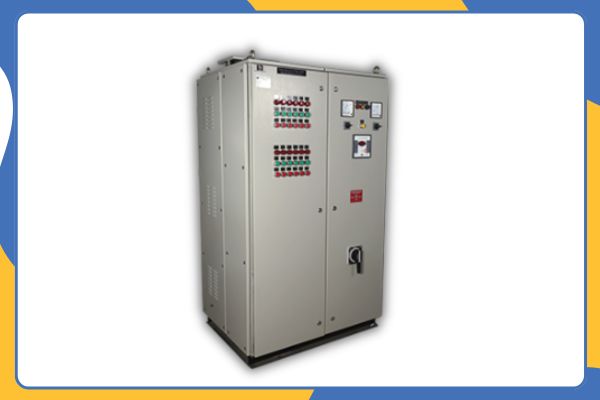
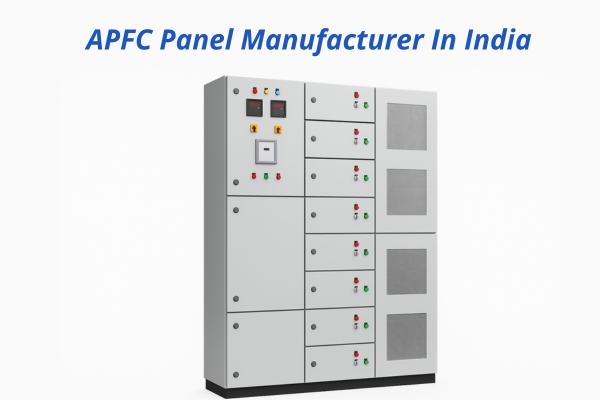
Power systems in commercial and industrial units operate far more efficiently when the APFC Panel is updated, sized correctly and maintained routinely. Yet many installations continue using older systems long after they stop providing stable correction. The outcome is predictable: rising energy bills, PF penalties and unnecessary equipment disturbance.
This detailed guide explains the warning signs, the ideal replacement window and how switching to a modern APFC solution supports stable plant operations. Many facilities supported by Dj Electro Controls experience the same concerns, and this guide reflects those lived observations.
A modern system has become essential for any operation handling inductive loads or high-demand machinery.
Introduction
Escalating energy bills, repeated equipment trips and erratic capacitor switching usually point toward a weak or ageing APFC Panel. Users often try quick fixes like replacing relays or adjusting steps, but deeper issues tend to grow over time. A weakened panel affects the entire power distribution path.
This guide covers common symptoms, real-world operating challenges, and how a new panel restores stability while reducing monthly expenses.
Why Many Facilities Delay Upgrading an APFC Panel
Even when problems appear, upgrades usually get postponed because:
- Short pauses affect production output.
- Older equipment still runs, though not optimally.
- Hidden issues build slowly.
- Budgets seldom account for power factor equipment replacement.
Though the replacement cost seems like a concern, long-term losses from penalties, breakdowns and capacitor failures far exceed it.
Signs You Need a New APFC Panel
Below are the most consistent signs observed in facilities across India and global industrial locations.
1. Energy bills increase without a change in load
When monthly consumption looks unchanged, but charges rise, the panel likely fails to maintain power factor. This is a classic pointer for Energy bill increase APFC panel issues. Poor switching or exhausted capacitors commonly cause this.
2. Frequent relay or capacitor failures
If components fail repeatedly, the internal logic or switching sequence of the panel is no longer stable. Replacing parts every few months costs more than installing a new system.
3. Power factor fluctuates during the day
A healthy APFC setup holds the PF value close to target. Fluctuation shows the system struggles to adapt to load shifts.
4. Overheating inside the panel
Heat inside an electrical system is never harmless. Loose wiring, age-related deterioration and continuous stress on capacitors contribute to overheating.
5. Machines trip during startup
Inductive loads require swift reactive support. Slow switching from an old panel often results in voltage dips, causing machine trips.
6. Capacitors fail earlier than expected
Outdated panels operate with fixed steps unsuitable for modern dynamic loads. Early failure is a clear indication it is time to evaluate replacement options.
Comparison Table: Symptoms vs Possible Panel Issues
| Symptom | Possible Issue |
| Energy bill increase | Weak switching, worn capacitors, outdated controller |
| Capacitor burnout | Overloading, poor response time, rising temperature |
| Power factor swings | Faulty sensing, relay trouble, step mismatch |
| Panel overheating | Loose wiring, ventilation issues, ageing parts |
| Machine trips | Slow voltage response, delayed switching |
APFC Panel Working and Benefits
The APFC panel working and benefits lie in its ability to sense real-time power factor and bring capacitor stages online or offline to stabilise the system. It reduces reactive demand, lowers the load on cables and transformers, and supports machinery during fluctuating operating cycles.
Main benefits include:
- Lower PF penalties
- Better voltage stability
- Longer motor life
- Lower heating in cables and transformers
- Fewer interruptions in operations
Older systems were built for steady loads. Today’s industrial environments need much faster and more adaptive switching.
APFC vs Capacitor Bank
Many believe these offer identical benefits, but their operation differs.
| Aspect | APFC Panel | Capacitor Bank |
| Control | Automatic, responsive | Fixed, manual |
| Energy cost reduction | Strong | Limited |
| During load change | Quick switching | Slow, manual |
| Suitable for | Industrial/commercial | Fixed-load locations |
A fixed bank does not adjust itself. A modern APFC Panel reacts instantly to change.
Best Time to Replace APFC Panel
The Best time to replace APFC panel depends on multiple conditions:
- Your load profile has changed
- You have added new high-demand machinery
- Penalties continue despite maintenance
- Your panel has crossed 8 to 10 years of operation
- You plan expansion requiring better correction
Ageing panels are not designed for today’s harmonic levels or rapid switching requirements.
APFC Panel Failure Symptoms
Some issues appear slowly before a complete stop. Watch for:
- Humming noise
- Lack of switching during load variation
- Hot smell from internal components
- Vibration on the panel door
- Bulging capacitor cans
These signs show internal fatigue.
Energy Bill Increase APFC Panel Issues
A rise in the monthly bill is often the earliest sign of deterioration. Common causes include:
- Wrong step configuration
- Slow relay response
- Damaged capacitor stages
- Overloaded transformers
- Rise in reactive power draw
A fresh panel avoids penalties by responding faster and maintaining power factor closer to utility requirements.
Load Conditions and Recommended Correction
| Load Condition | Suggested Action |
| High motor usage | Fine-step switching |
| Variable load | Fast-acting controller |
| Heavy machinery | Heavy-duty capacitors |
| Seasonal variation | Programmable modes |
| Machinery addition | Sensor recalibration |
Role of Dj Electro Controls
Dj Electro Controls supports plants across India by supplying systems built for stability, accuracy and long service life. Installations often involve fluctuating loads, dust exposure and high ambient temperatures. Their panels are engineered for these demands.
Upgrades are usually advised when facilities expand or when penalties keep rising despite routine maintenance.
Why Upgrade Instead of Repair
Repair brings temporary relief when underlying design limits remain unchanged. Upgrading becomes the practical option when:
- Spare parts are difficult to source
- The controller belongs to an outdated series
- Capacitors require frequent replacement
- Heat damage spreads across components
- Penalties remain constant despite service
Upgrading introduces better switching logic, heat control and reliable operating cycles.
How a Modern APFC Panel Helps Industrial Users
Industries benefit through:
- More stable voltage
- Better machine performance
- Fewer breakdowns
- Lower utility charges
- Lower heating inside cables and switchgear
Stable power factor has a direct impact on machinery life and operational planning.
FAQ
Q1. What are the common signs you need a new APFC panel?
Answer: Energy bill spikes, PF penalties, capacitor failure and unstable switching are typical signs.
Q2. How long can an APFC panel operate reliably?
Answer: Most function well for around 8 to 10 years, depending on usage conditions.
Q3. Is a capacitor bank the same as an APFC panel?
Answer: No. A capacitor bank is fixed, while an APFC panel adjusts to load changes automatically.
Q4. Why does my panel heat up often?
Answer: Ageing components, airflow issues and weak switching sequences commonly cause this.
Q5. Does upgrading improve plant reliability?
Answer: Yes. A modern design stabilises voltage and reduces stress on machinery.
Q6. Why does the power factor shift throughout the day?
Answer: If swings are large, the panel may not be responding quickly enough.
Q7. Who are the best APFC panel manufacturers in India?
Answer: Companies like Dj Electro Controls hold strong experience with industrial-grade systems.
Conclusion
A reliable APFC unit is central to efficient electrical performance. If your site faces repeated machine trips, unstable power factor, steady capacitor failures or rising bills, these are clear warning signs. A modern system restores stability, reduces losses and supports future expansion plans.
For assessments, upgrades or fresh installation support, Dj Electro Controls offers guidance based on real-world plant behaviour and load patterns.