

APFC Panels from India for Unstable Power Grids in East Africa: Industrial Project Learnings

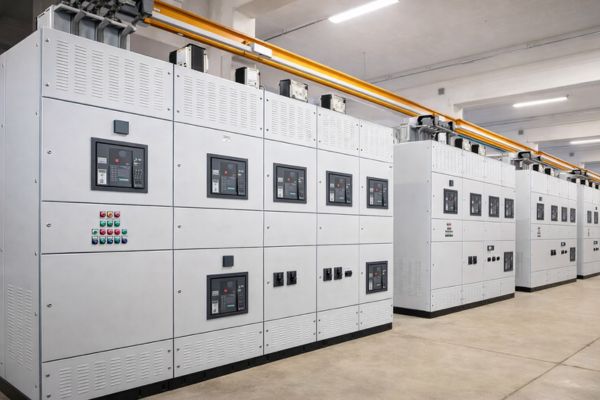
Industrial power systems in East Africa often operate under demanding conditions. Voltage variation, irregular grid supply, and dependency on generators are part of daily operations for many factories. Within the first stages of project planning, engineers now actively consider APFC Panels from India as a practical solution for managing power factor issues linked to unstable grids.
Indian manufacturers have long worked with similar grid conditions domestically. This shared operational reality makes their experience valuable for industries across East Africa that seek stable electrical performance without complex infrastructure upgrades.
This blog explains why power factor problems arise, how APFC panels support unstable grids, and what Indian manufacturers have learned while supplying industrial projects in East Africa.
Power Grid Reality Across East African Industrial Zones
Many East African countries continue to expand industrial capacity while operating on developing electrical infrastructure. Grid supply often struggles to match the pace of industrial demand.
Factories frequently experience:
- Voltage rise and drop during peak hours
- Frequent grid interruptions
- Load imbalance caused by mixed equipment usage
- Dependence on diesel generators during outages
These factors directly affect electrical efficiency and lead to poor power factor readings, which attract utility penalties.
Why Power Factor Becomes a Challenge in Unstable Grids
Power factor reflects how efficiently electrical power is used. In unstable grids, several operational habits contribute to its decline.
Common causes of low power factor in unstable grids include:
- Heavy use of induction motors in manufacturing plants
- Motors running below rated load capacity
- Voltage fluctuation forcing equipment to draw higher current
- Frequent motor starting cycles
When power factor drops, utilities supply more current than necessary, which increases losses across cables, transformers, and generators.
Understanding APFC Panels in Simple Terms
An Automatic Power Factor Correction panel monitors power usage in real time and supplies reactive power only when required. This avoids manual intervention and keeps the power factor within acceptable limits.
Instead of drawing reactive power from the grid, the panel provides it locally using capacitors. This reduces unnecessary current flow.
Main Components Inside an APFC Panel
- APFC relay that measures power factor continuously
- Capacitor banks that supply reactive power
- Switching devices that connect or disconnect capacitor steps
- Protection devices for electrical safety
This setup explains how APFC panels work in poor grid conditions without complex control systems.
How APFC Panels Respond to Grid Instability
Unstable grids do not follow predictable patterns. Loads change suddenly, and voltage rarely stays constant for long durations.
APFC panels designed by Indian manufacturers include response logic that avoids excessive switching. This protects internal components and supports consistent performance.
| Grid Issue | APFC Panel Response |
| Voltage fluctuation | Controlled switching delay |
| Sudden load change | Stepwise capacitor adjustment |
| Electrical noise | Stable relay sensing |
Such behaviour suits industrial environments where grid quality varies daily.
Why APFC Panels from India Are Widely Chosen
Indian power networks have faced voltage swings, mixed loads, and supply interruptions for decades. Manufacturers adapted their designs to operate under such conditions.
As a result, APFC Panels from India reflect real-world usage rather than ideal laboratory assumptions.
Key design strengths include:
- Wider voltage tolerance ranges
- Components suitable for warm and dusty sites
- Logical wiring layouts for easier maintenance
- Flexibility to modify capacitor steps
These features align closely with East African industrial needs.
APFC Panels Manufacturer in India: Practical Experience Matters
An experienced APFC Panels Manufacturer in India brings knowledge gained from serving cement plants, steel units, water treatment facilities, and infrastructure projects.
Lessons learned from Indian industries influence export-ready panel design.
| Learning Area | Impact on Panel Design |
| Variable demand | Modular capacitor sizing |
| Harmonic presence | Detuned reactor inclusion |
| Skill diversity | Simple user interface |
This experience supports smoother implementation overseas.
APFC Panels for East Africa: Industrial Application View
Factories across East Africa operate equipment that consumes high reactive power. Motors, compressors, pumps, and welding machines dominate load profiles. Without correction, these loads increase energy losses and reduce system capacity.
APFC Panels for East Africa help industries maintain compliance with utility norms while improving internal electrical stability.
Industries that benefit include:
- Manufacturing units
- Mining and processing plants
- Agro-based industries
- Infrastructure and utilities
Electrical Panels Export from India: Why the Trend Continues
The export of electrical panels from India has expanded steadily over the years. Buyers seek dependable solutions that balance quality and cost awareness. Indian exporters understand documentation, packaging, and technical compliance needed for overseas projects.
| Buyer Requirement | Indian Export Response |
| Custom ratings | Panels built to site load |
| Standards | IEC aligned designs |
| Logistics | Export-ready packing |
| Support | Technical guidance |
This strengthens trust in Electrical Panels Export from India for African markets.
Dj Electro Controls and Industrial Panel Supply
Dj Electro Controls operates within this ecosystem of Indian panel manufacturers serving domestic and international clients. Their focus stays on operational reliability and practical engineering.
Panels supplied for export projects typically follow clear wiring logic, tested components, and easy access for servicing.
Such focus supports stable operation across diverse grid conditions.
Selecting the Right APFC Panel for Unstable Grids
Choosing an APFC panel involves more than matching kVAR values. Project teams need to assess operating conditions carefully.
Key selection points include:
- Load variation across shifts
- Presence of harmonic generating equipment
- Ambient temperature and dust levels
- Future expansion planning
Indian manufacturers often assist buyers during this evaluation stage.
Installation Practices Observed in East African Projects
Correct installation plays a major role in panel performance. Several project learnings highlight common site issues.
| Installation Aspect | Practical Observation |
| Earthing | Dedicated earth improves stability |
| Ventilation | Adequate clearance prevents overheating |
| Cable termination | Proper torque avoids hotspots |
Attention to basics helps APFC panels perform as intended.
Maintenance Expectations in Remote Locations
Industrial sites located far from urban centres require equipment that does not demand constant supervision.
APFC panels usually need basic periodic checks.
Routine tasks include:
- Visual inspection for overheating signs
- Checking capacitor health
- Reviewing relay settings
Clear manuals and labelled wiring simplify maintenance for local teams.
Financial Impact of APFC Panels
Power factor correction brings direct and indirect cost benefits. While the panel requires initial investment, operational savings build steadily.
| Cost Area | Result After Correction |
| Utility penalties | Reduced |
| Transformer loading | Optimised |
| Generator fuel use | Lowered |
This financial clarity drives adoption across industries.
Standards and Compliance Awareness
Export panels generally follow IEC guidelines. Indian manufacturers stay aware of regional utility rules and adapt designs accordingly. Clear documentation helps during inspection and commissioning stages.
Final Thoughts for Industrial Decision Makers
Industrial operations across East Africa continue to face power quality challenges linked to developing grid infrastructure. Addressing power factor remains one of the most practical ways to improve electrical performance without major system changes. APFC Panels from India reflect experience gained from similar operating environments and offer a dependable solution for such conditions.
For plant owners and project teams planning upgrades or new installations, working with manufacturers who understand unstable grids helps avoid long-term operational issues. Evaluating the right APFC panel today can lead to smoother operations and better electrical control over the years ahead.
Frequently Asked Question
Q1. What makes APFC Panels from India suitable for East African grids?
Answer: They are designed for fluctuating voltage, mixed loads, and frequent switching conditions common in both regions.
Q2. How do APFC panels help industries reduce penalties?
Answer: They maintain power factor within utility limits, which avoids reactive energy charges.
Q3. Can APFC panels work with generator power?
Answer: Yes. They reduce reactive load on generators and help maintain voltage stability.
Q4. Are APFC panels difficult to maintain?
Answer: No. Basic electrical knowledge is sufficient for routine maintenance.
Q5. Do APFC panels handle harmonic issues?
Answer: Panels with detuned reactors manage harmonics generated by drives and inverters.