

Breaker Panels for Industrial Safety: Types, Standards & Best Practices in India

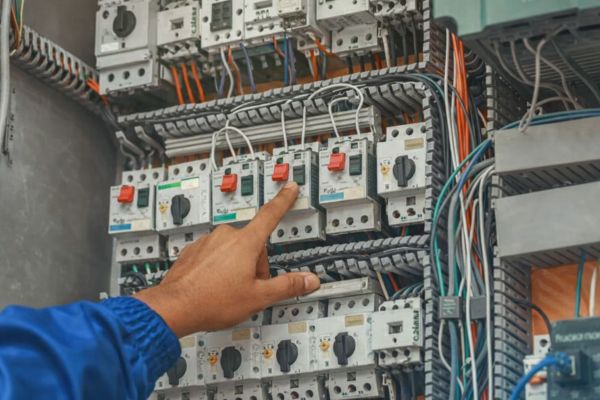
Breaker Panels for Industrial Safety play a direct role in protecting people, machinery and production lines in industrial facilities. Within the first few seconds of a fault, a well designed breaker panel controls current flow and reduces the risk of fire, shock or equipment damage. Across India and global markets, industries now pay close attention to panel quality, compliance and maintenance as part of daily operations.
An industrial site depends on stable electrical distribution. When power faults occur, the breaker panel acts as the first line of defence. For this reason, safety focused design and proper selection of breaker panels matters to factory owners, plant engineers and maintenance teams alike.
What Is an Industrial Breaker Panel and Why It Matters
Many people entering the industrial sector often ask what is an industrial breaker panel and how it differs from residential units. An industrial breaker panel is a central assembly that distributes electrical power to machines, motors and auxiliary systems while managing overloads and short circuits.
Unlike domestic panels, industrial breaker panels handle higher current ratings, complex loads and harsh operating conditions. They operate in manufacturing plants, processing units, warehouses and infrastructure projects. A single panel failure may interrupt production and raise safety risks.
The panel houses circuit breakers, busbars, protection relays and monitoring devices within a metal enclosure. Each component works together to manage power flow safely and reliably.
Breaker Panels for Industrial Safety in Indian Manufacturing Units
Breaker Panels for Industrial Safety carry added importance in Indian industries due to varied voltage conditions, dust exposure and high ambient temperatures. Panels designed for Indian sites often require stronger enclosures and strict compliance with recognised standards. Factories dealing with heavy machinery or automation rely on breaker panels to isolate faults without disturbing other operations. This controlled isolation supports worker safety and reduces downtime.
Manufacturers such as Dj Electro Control focus on building panels that match Indian operating realities while remaining suitable for export markets.
Common Types of Breaker Panels Used in Industrial Settings
Different industrial applications demand different breaker panel designs. Selection depends on load type, environment and expansion needs.
Power Control Panels
Power control panels distribute electricity to large motors and equipment. They suit plants with heavy load demand such as steel, cement and chemical units. These panels often contain air circuit breakers or moulded case circuit breakers.
Motor Control Panels
Motor control panels manage the starting, stopping and protection of motors. They support industries where motors operate continuously. Overload protection and fault isolation remain their main safety tasks.
Distribution Panels
Distribution panels divide incoming power into multiple circuits. They serve lighting, sockets and auxiliary loads within the plant. Proper circuit segregation improves fault control and maintenance safety.
Comparison of Industrial Breaker Panel Types
| Panel Type | Primary Use | Safety Function | Common Industries |
| Power Control Panel | Heavy load distribution | Overload and short circuit control | Manufacturing plants |
| Motor Control Panel | Motor operation | Motor protection and isolation | Process industries |
| Distribution Panel | Auxiliary loads | Circuit segregation | Warehouses and offices |
| Synchronisation Panel | Multiple power sources | Safe power transfer | Infrastructure projects |
Importance of IEC Standards for Breaker Panels
- IEC standards for breaker panels guide manufacturers and users on safety, performance and testing practices. These standards bring uniformity and trust across global markets.
- In India, compliance with IEC standards supports export readiness and regulatory acceptance. Panels built to IEC guidelines show better performance during fault conditions and long term use.
- Some commonly followed IEC standards relate to low voltage switchgear assemblies, insulation requirements and thermal performance.
Electrical Panel Testing Standards India Follows
Electrical panel testing standards India adopts focus on performance validation before installation. Testing confirms that the panel meets safety and operational expectations.
Routine tests check wiring, insulation resistance and continuity. Type tests validate short circuit strength and temperature rise. Site acceptance tests verify installation quality and functionality.
Testing protects end users by reducing failure risk during live operation. It also supports regulatory inspections and insurance requirements.
Electrical Panel Safety Checklist for Industrial Facilities
An electrical panel safety checklist helps maintenance teams monitor daily conditions. Regular checks reduce fault risks and improve service life.
| Checklist Area | What to Observe | Frequency |
| Physical condition | Signs of corrosion or damage | Monthly |
| Cable termination | Loose or overheated connections | Quarterly |
| Breaker operation | Smooth tripping and resetting | Quarterly |
| Panel cleanliness | Dust accumulation | Monthly |
| Labelling | Circuit identification clarity | Half yearly |
Breaker Panel Safety Guidelines for Industrial Users
Breaker panel safety guidelines focus on correct usage and upkeep. Operators should restrict unauthorised access to panels. Clear signage improves awareness during maintenance work.
Panels should operate within rated voltage and current limits. Overloading increases heat and reduces component life. Scheduled inspections help identify early warning signs such as discoloration or unusual noise.
Training staff on basic panel awareness supports safer working conditions across departments
Breaker Panels for Industrial Safety and Fire Risk Reduction
Electrical faults remain a major cause of industrial fires. Breaker panels help reduce this risk by interrupting abnormal current flow.
Fast acting breakers limit heat buildup during short circuits. Proper earthing systems guide fault current safely to ground. Fire resistant enclosures add another layer of protection.
Periodic inspection and testing remain essential to maintain this safety function.
Maintenance Practices That Support Panel Safety
Maintenance extends beyond visual checks. Thermographic scanning helps detect hot spots within panels. Cleaning removes conductive dust that may cause tracking.
Record keeping supports trend analysis and planning. Maintenance teams benefit from a structured schedule rather than reactive repairs.
Safe maintenance practices also include lockout and tagout procedures during service work.
How Breaker Panels Support Operational Continuity
Breaker panels isolate faults without shutting down the entire system. This selective protection supports continuity in production.
In large plants, coordination between breakers helps limit outage areas. Engineers set breaker characteristics based on load and fault levels.
This planning reduces losses and improves productivity while maintaining safety.
Selection Factors for Industrial Breaker Panels
Choosing the right breaker panel involves several technical considerations. Load calculation guides breaker sizing. Future expansion plans influence panel capacity.
Environmental conditions affect enclosure choice. Compliance requirements guide component selection.
Working with an experienced manufacturer helps align technical needs with practical usage.
Role of Dj Electro Control in Industrial Panel Solutions
Dj Electro Control supports industrial clients with panel solutions that match operational and safety needs. The company focuses on standard compliant manufacturing and application specific designs.
Panels supplied to Indian and overseas markets follow structured testing and inspection practices. This approach supports trust among contractors and plant owners.
FAQ
Q1. What is the main purpose of breaker panels for industrial safety?
Answer: Breaker panels control and protect electrical circuits by stopping abnormal current flow. This function reduces risks to people and equipment.
Q2. How often should industrial breaker panels be inspected?
Answer: Visual checks work well on a monthly basis while detailed inspections suit quarterly or half yearly schedules depending on usage.
Q3. Which standards apply to industrial breaker panels in India?
Answer: IEC standards for breaker panels and relevant Indian testing guidelines apply to most industrial installations.
Q4. Why is panel testing important before commissioning?
Answer: Testing confirms proper assembly and performance. It reduces failure chances during live operation.