
Top Factors to Evaluate When Selecting an Electrical Panel Manufacturer in India

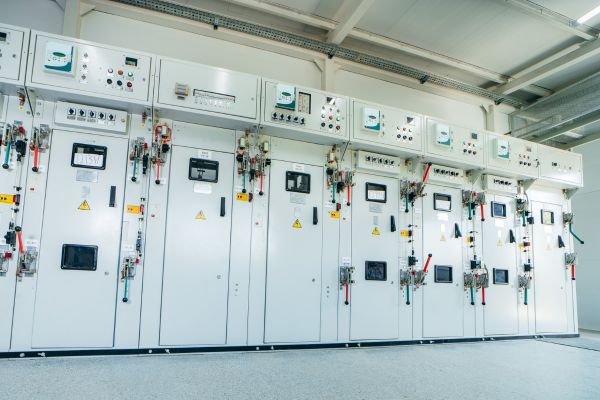
Choosing the right Electrical Panel Manufacturer plays a direct role in how safely and smoothly power flows within any industrial or commercial setup. From factories and data centres to hospitals and infrastructure projects, electrical panels act as the control point of the entire power system. A small decision error during manufacturer selection may lead to operational delays, safety risks, or higher maintenance costs later.
In India, the electrical manufacturing sector has grown steadily, offering buyers many options. This variety helps, yet it also creates confusion. Understanding what truly matters while selecting an electrical panel supplier helps decision makers move forward with clarity and confidence.
This guide explains the most practical factors that buyers should evaluate before finalising an electrical panel manufacturer in India, explained in a clear and easy manner for both technical and non-technical readers.
Why Electrical Panels Matter in Modern Power Systems
The importance of electrical panels in power distribution lies in their ability to manage, control, and protect electrical circuits. Panels distribute electricity from the main supply to different loads while offering protection against faults such as overloads and short circuits.
Without a well designed panel, even the most advanced machinery may face frequent shutdowns or unsafe operating conditions. This makes panel selection a decision that affects long term plant reliability rather than a one time purchase.
Electrical Panel Manufacturer Selection and Project Outcomes
An Electrical Panel Manufacturer influences project performance in several ways. Design accuracy affects space usage. Component quality affects panel life. Assembly standards affect operational safety. A reliable manufacturer understands how these elements work together rather than treating the panel as a simple enclosure with parts inside.
Understanding the Types of Electrical Panels Used in Industries
Before evaluating manufacturers, buyers should understand the types of electrical panels used in industries, as different applications demand different panel designs.
Common Industrial Electrical Panels
| Panel Type | Primary Application | Typical Industry |
| LT Panels | Low voltage power distribution | Manufacturing, utilities |
| HT Panels | High voltage power handling | Substations, heavy industries |
| MCC Panels | Motor control | Process plants |
| PCC Panels | Power distribution control | Infrastructure projects |
| APFC Panels | Power factor correction | Commercial buildings |
A capable LT panel manufacturer in India or HT panel manufacturer in India will guide buyers towards the correct panel type instead of offering a one size approach.
Experience and Industry Exposure of the Manufacturer
Experience shows itself not only in years but also in the range of projects handled. An electrical panel manufacturer in India with exposure to multiple sectors understands how requirements change across industries.
For example, panels used in pharmaceutical units demand different wiring practices compared to panels used in steel plants. A manufacturer familiar with such variations brings practical value during design discussions.
Compliance with IEC Electrical Panel Standards
Adherence to IEC electrical panel standards reflects how closely a manufacturer follows global safety and performance norms. These standards cover aspects such as insulation levels, short circuit ratings, and temperature rise limits.
Buyers should confirm whether the manufacturer designs panels aligned with IEC guidelines rather than relying only on local practices. This matters even more for export oriented projects and multinational facilities operating in India.
Component Selection and Brand Partnerships
Panel performance depends heavily on internal components such as breakers, contactors, relays, meters, and busbars. Reputed manufacturers maintain partnerships with known electrical brands and avoid using unverified components.
A transparent manufacturer openly shares the component list and offers alternatives when budget adjustments are needed, without compromising safety.
Quality Control and Testing Practices
Quality checks must happen at multiple stages. These include mechanical inspection, wiring checks, insulation resistance testing, and functional testing.
Buyers should ask about routine and type tests conducted before dispatch. A structured testing process reflects discipline on the shop floor.
Understanding MCC Panel vs PCC Panel Selection
Many buyers search for clarity on MCC panel vs PCC panel, as both play different roles in industrial power systems.
| Aspect | MCC Panel | PCC Panel |
| Purpose | Motor operation and control | Main power distribution |
| Load Type | Motors and drives | Mixed electrical loads |
| Control Level | High | Moderate |
| Placement | Near machinery | Main electrical room |
A knowledgeable Electrical Panel Manufacturer guides the buyer towards the correct combination instead of overselling unnecessary panels.
Manufacturing Facility and Infrastructure
A well organised manufacturing unit shows how seriously a manufacturer treats production discipline. Proper tooling, wiring stations, testing bays, and material storage areas all add value to final panel quality. Site visits help buyers judge these aspects first hand.
Documentation and Drawings Support
Clear documentation helps electricians, operators, and maintenance teams. Single line diagrams, GA drawings, wiring schematics, and operation manuals should be accurate and readable. Manufacturers who provide proper documentation reduce dependency on external support during breakdowns.
Installation and After Sales Support
Panels do not operate in isolation. Installation supervision and post commissioning support matter, especially during the initial months of operation. Manufacturers who offer prompt service support help reduce downtime and build long term trust.
Location Advantage and Logistics Planning
Working with an electrical panel manufacturer in India offers logistical benefits for domestic projects. Faster dispatch, lower transport risk, and easier coordination all contribute to smoother project execution. For overseas clients, Indian manufacturers with export packing experience add further value.
Evaluating Dj Electro Controls as a Manufacturing Option
Dj Electro Controls has built its presence by focusing on industrial panel requirements rather than generic supply. Their approach combines design understanding, standard aligned practices, and project oriented thinking, making them relevant for buyers seeking dependable electrical panels for varied applications.
Pricing Transparency and Value Perspective
Price alone should not guide manufacturer selection. Buyers should assess value through material quality, workmanship, testing, and service support. Transparent quotations help buyers compare offerings on equal terms.
Long Term Maintenance and Spare Availability
Panels operate for years. Spare parts availability and ease of future upgrades should be discussed during selection. Manufacturers who standardise components simplify maintenance work.
Safety Practices and Workforce Training
Safety during manufacturing affects final output quality. Trained technicians, proper tools, and safe wiring practices reduce errors that might appear later during operation.
Final Thoughts
Selecting the right Electrical Panel Manufacturer is a decision that shapes system safety, reliability, and operational comfort for years. A thoughtful evaluation based on technical strength, quality practices, and support readiness helps buyers avoid common project setbacks.
For organisations planning new installations or system upgrades, working with a manufacturer that understands industrial realities adds lasting value. If you are assessing panel solutions for your next project, exploring discussions with experienced manufacturers like Dj Electro Control may help clarify technical and commercial expectations early in the process.
Frequently Asked Questions
Q1. What should I check first while choosing an Electrical Panel Manufacturer?
Answer: Start with experience, design capability, and adherence to IEC electrical panel standards.
Q2. How do I know if a panel meets industrial safety needs?
Answer: Check testing procedures, component brands, and compliance documentation provided by the manufacturer.
Q3. Is it better to choose a local electrical panel manufacturer in India?
Answer: Local manufacturers offer easier coordination, quicker support, and better logistics handling.
Q4. What is the difference between LT and HT panels?
Answer: LT panels handle low voltage distribution, while HT panels manage high voltage systems used in heavy industries.