

How Circuit Breaker Panels Enhance Electrical System Protection

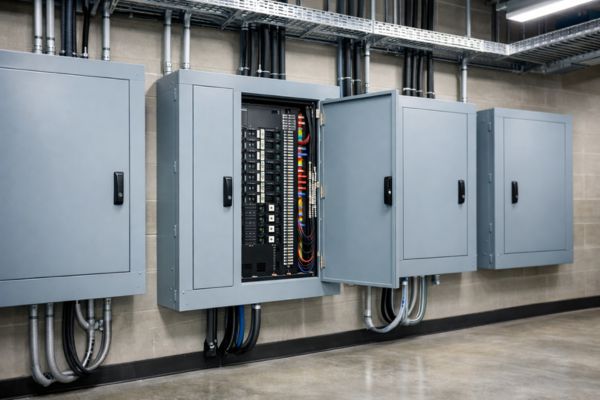
Electrical failures rarely give warnings. A small overload, a loose connection, or a short circuit can shut down operations within seconds. This is where Circuit Breaker Panels play a central role. They control, distribute, and protect electrical power in residential, commercial, and industrial systems.
Across India and worldwide, industries depend on safe power distribution. From manufacturing plants to hospitals, electrical systems must operate without interruption. A properly designed circuit breaker panel prevents equipment damage, reduces fire risks, and protects human life.
Understanding how these panels function helps business owners, engineers, and facility managers make informed decisions about safety and performance.
What Are Circuit Breaker Panels?
Circuit Breaker Panels are electrical distribution boards that house protective devices known as circuit breakers. These breakers automatically disconnect power when they detect overload, short circuits, or faults.
Instead of allowing excessive current to damage wires and equipment, the breaker interrupts the flow instantly. Once the issue is resolved, most breakers can be reset, restoring power safely.
In simple terms, a circuit breaker panel acts as the control centre of your electrical system. It distributes electricity to different circuits while guarding each one against damage.
Why Electrical Protection Matters More Than Ever
Modern industries use advanced machinery, automation systems, and high-powered equipment. Even a minor voltage fluctuation can result in:
- Production downtime
- Equipment repair costs
- Safety hazards
- Data loss in sensitive systems
Electrical accidents remain one of the leading causes of industrial fires. Properly designed industrial circuit breaker panels reduce these risks by isolating problems before they escalate.
When businesses invest in reliable panels built according to electrical safety standards for panels, they secure both assets and workforce.
How Circuit Breaker Panels Protect Electrical Systems
1. Overload Protection
An overload occurs when a circuit draws more current than it can safely handle. This often happens when additional equipment is connected without upgrading capacity.
A circuit breaker monitors the current continuously. When it exceeds safe limits, the breaker trips. This prevents overheating of wires and insulation failure.
2. Short Circuit Protection
A short circuit creates a sudden surge of current. Without protection, this surge can melt conductors and trigger fires.
Circuit breakers detect this spike instantly and disconnect the faulty circuit in milliseconds.
3. Ground Fault Protection
Ground faults occur when current leaks to earth due to insulation failure. Special breakers detect this leakage and cut off supply to prevent electric shock.
4. Equipment Protection
Motors, drives, and control panels require stable power. Industrial circuit breaker panels isolate faulty sections while keeping other systems operational. This minimises downtime.
Types of Circuit Breaker Panels
Different installations require different panel configurations. The choice depends on load capacity, voltage rating, and application.
| Type of Circuit Breaker Panel | Application Area | Typical Use |
| Main Breaker Panel | Residential & small commercial | Controls entire power supply |
| Main Lug Panel | Sub-distribution systems | Receives power from main panel |
| Motor Control Panel | Industrial setups | Protects motors and drives |
| Intelligent Panel | Large industries | Real-time monitoring and automation |
| Low Voltage Industrial Panel | Factories and plants | Heavy machinery protection |
Understanding the types of circuit breaker panels helps in selecting the right solution for your facility.
Components Inside Circuit Breaker Panels
A panel is not just a box with switches. It contains several coordinated components.
| Component | Function |
| Circuit Breakers | Interrupt faulty current flow |
| Busbars | Distribute power within the panel |
| Neutral and Earth Bars | Provide grounding safety |
| Enclosure | Protects internal components |
| Meters and Indicators | Monitor voltage and current |
| Protective Relays | Detect abnormal conditions |
Each part contributes to system protection. When designed properly, these elements work together to maintain safe operations.
Industrial Circuit Breaker Panels and Their Role in Manufacturing
Factories in India operate high-capacity motors, CNC machines, compressors, and automation systems. These machines demand stable power.
Industrial circuit breaker panels provide:
- Segmented distribution for multiple production lines
- High fault current handling
- Thermal and magnetic protection
- Controlled shutdown during emergencies
Without proper panel configuration, even a single short circuit can halt an entire production facility.
Manufacturers such as Dj Electro Control design panels that meet operational needs while maintaining compliance with Indian and international regulations.
Electrical Safety Standards for Panels in India
Electrical safety is governed by national and international standards. Panels manufactured for industrial use must comply with:
| Standard | Purpose |
| IS 8623 / IS 13947 | Low voltage switchgear standards |
| IEC 61439 | International compliance for LV assemblies |
| IP Ratings | Protection against dust and water |
| CE Marking | European safety compliance |
| Short Circuit Testing | Verifies panel withstand capacity |
Adhering to electrical safety standards for panels reduces liability and improves reliability.
Businesses that choose certified manufacturers lower long-term risks.
Signs You Need a New Circuit Breaker Panel
Electrical panels do not last forever. Over time, wear and outdated design reduce efficiency and safety.
Here are common signs you need a new circuit breaker panel:
- Frequent breaker trips
- Burning smell near the panel
- Flickering lights
- Panel feels warm to touch
- Outdated fuse-based system
- Expansion of electrical load without upgrade
Older panels may not support modern equipment. Upgrading improves performance and safety.
Industries We Serve
Circuit breaker panels serve multiple sectors where uninterrupted power is essential.
Manufacturing
Heavy machinery requires stable distribution systems with strong fault protection.
Oil and Gas
Hazardous environments demand panels built to strict safety guidelines.
Pharmaceuticals
Precise control systems rely on stable voltage and uninterrupted supply.
Commercial Buildings
Shopping centres and office complexes depend on reliable power distribution.
Infrastructure and Utilities
Water treatment plants and substations need durable and compliant panels.
Companies like Dj Electro Control supply solutions designed for industrial and commercial demands across India and global markets.
How Proper Panel Design Reduces Downtime
Downtime affects revenue. A well-structured panel divides loads into manageable sections. If one section fails, others continue functioning.
This sectional isolation prevents total shutdown. Engineers can quickly identify the faulty circuit through labelled breakers and monitoring devices.
Clear internal wiring and structured layouts also reduce maintenance time.
Selecting the Right Circuit Breaker Panel
Choosing the correct panel involves technical assessment.
Consider:
- Load calculation
- Future expansion plans
- Environmental conditions
- Compliance requirements
- Fault current rating
Professional manufacturers conduct detailed analysis before designing industrial circuit breaker panels.
Investing in proper design avoids repeated upgrades.
Maintenance Practices for Long-Term Safety
Even the best panel requires periodic inspection.
Routine maintenance includes:
- Tightening connections
- Cleaning dust accumulation
- Checking breaker operation
- Thermal scanning for hot spots
- Verifying earthing continuity
Scheduled maintenance prevents sudden failures.
The Growing Demand for Safe Electrical Infrastructure in India
India’s industrial growth increases demand for reliable power systems. Government initiatives promoting manufacturing and infrastructure expansion create higher electrical loads across facilities.
Businesses now prioritise safety and efficiency. Upgrading to advanced circuit breaker panels supports compliance and operational stability.
With stricter regulations and awareness about fire safety, industries no longer treat panel quality as optional.
Common Mistakes Businesses Make with Electrical Panels
Some companies focus only on initial cost. This approach often leads to:
- Undersized panels
- Poor-quality breakers
- Inadequate fault ratings
- Lack of future capacity
Short-term savings often result in long-term losses.
Selecting certified manufacturers ensures reliable systems.
Final Thoughts
Reliable electrical protection forms the backbone of every safe facility. Circuit Breaker Panels safeguard equipment, prevent fire hazards, and maintain operational continuity. Whether for residential buildings or heavy industries, selecting the right panel makes a measurable difference.
As industries expand and power demand grows, businesses must prioritise certified manufacturing, compliance with electrical safety standards for panels, and proper system design.
If you are planning to upgrade or install industrial circuit breaker panels, consulting experienced manufacturers such as Dj Electro Control can help you choose solutions that support safety, efficiency, and long-term performance.
Invest in protection today to avoid costly disruptions tomorrow.
Frequently Asked Questions
Q1. What is the main function of Circuit Breaker Panels?
Answer: Circuit Breaker Panels distribute electricity and protect circuits from overloads, short circuits, and ground faults by automatically interrupting faulty current flow.
Q2. How do I know if my industrial panel needs replacement?
Answer: Frequent tripping, overheating, burning smell, and expansion of load capacity indicate signs you need a new circuit breaker panel.
Q3. What standards apply to industrial circuit breaker panels in India?
Answer: Manufacturers follow IS 8623, IS 13947, and IEC 61439 standards along with IP ratings and short circuit testing requirements.
Q4. How often should a circuit breaker panel be serviced?
Answer: Industries should inspect panels at least once a year. High-load environments may require more frequent checks.