

Energy Monitoring Systems: What Data Actually Reduces Your Power Bill

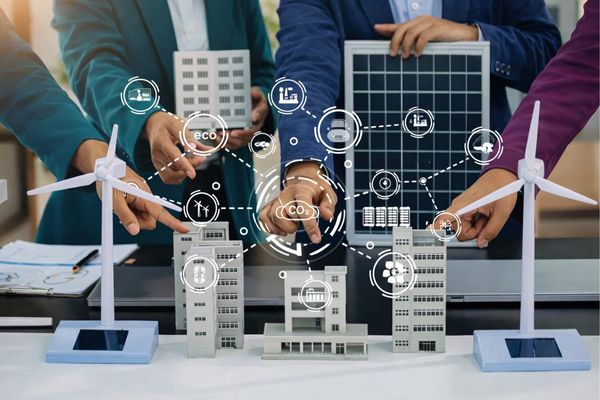
Rising electricity costs affect industries, factories, and commercial buildings across India and other regions. Energy Monitoring Systems help organisations understand where power is used, where it is wasted, and what actions lead to lower electricity bills. Instead of relying only on monthly meter readings, these systems provide clear usage data that supports better daily decisions.
Many businesses install modern panels and automation yet still face high bills because they track the wrong information. This blog explains which data truly matters and how it helps control electricity usage patterns without affecting operations.
Why Power Bills Rise Even with Modern Infrastructure
High bills often come from hidden issues such as idle machines, unplanned peak demand, load imbalance, and poor power factor. Without proper visibility, these issues remain unnoticed. An energy monitoring system for industries makes such losses visible, allowing teams to correct them early.
What Energy Monitoring Systems Do
Energy Monitoring Systems collect electrical data from panels, feeders, and equipment. They show when electricity is used, how much is used, and which areas consume the most power. Unlike basic meters, they provide time based data and comparisons that support daily monitoring.
Electrical panel manufacturers like Dj Electro Controls often integrate monitoring features into panels, making the system practical for both new and existing facilities.
Data That Helps Reduce Power Bills
Not all data leads to savings. The following information has the most impact.
Real Time Power Consumption
This data shows immediate load behaviour. It helps detect sudden spikes caused by machine start ups or faulty equipment. Factories use this information to reschedule operations and avoid demand surges.
Peak Demand Data
Many electricity bills include charges based on maximum demand. An energy monitoring system for factories highlights when peaks occur and what causes them. Adjusting load timing helps reduce these charges.
Equipment Wise Energy Usage
This data identifies machines that consume excessive power. Maintenance teams use it to improve efficiency or change operating hours, leading to clear energy monitoring system benefits.
Idle Time Consumption
Machines running without output waste energy. Monitoring idle usage helps teams switch off equipment when not required, bringing quick savings.
Power Factor Monitoring
Low power factor results in penalties. Monitoring helps maintain it within limits, reducing extra charges and improving electrical efficiency.
Voltage and Load Balance
Voltage variation and unbalanced loads increase losses and damage equipment. Monitoring helps correct these issues early.
Understanding Electricity Usage Patterns
Electricity usage patterns change with shifts, seasons, and production schedules. Energy Monitoring Systems store long term data, allowing businesses to compare usage across days and months. This helps plan energy budgets and improve control without reducing output.
Energy Monitoring System for Industries
An energy monitoring system for industries supports cost control and planning. Industrial facilities with heavy loads benefit by identifying waste, improving scheduling, and tracking energy cost per process.
Energy Monitoring System for Factories
Factories use monitoring systems to track machine wise consumption, reduce non productive running hours, and improve overall efficiency. This directly answers how to reduce power consumption using energy monitoring in manufacturing units.
Energy Monitoring System for Commercial Buildings
Commercial buildings face variable loads due to lighting, air conditioning, and occupancy. An energy monitoring system for commercial buildings helps control HVAC usage, manage lighting schedules, and reduce unnecessary consumption.
Turning Data into Daily Action
Energy data works only when reviewed regularly. Daily and weekly checks help teams set limits, assign responsibility, and track improvement. Over time, energy control becomes part of routine operations rather than an occasional task.
Useful Energy Data Overview
| Energy Data | Purpose | Result |
| Real time usage | Detect load spikes | Lower demand charges |
| Peak demand | Control maximum load | Reduced billing slabs |
| Equipment usage | Find inefficient machines | Better efficiency |
| Idle consumption | Reduce wastage | Direct savings |
| Power factor | Avoid penalties | Lower charges |
Common Monitoring Mistakes
Some businesses install systems but rarely review data. Others focus only on monthly totals. Effective monitoring requires routine checks and clear usage goals.
Long Term Value of Energy Monitoring
Energy monitoring supports future audits, compliance, and expansion planning. Accurate records help businesses size electrical infrastructure based on actual demand rather than assumptions.
Final Words
Energy costs reduce when usage becomes visible. Energy Monitoring Systems provide that visibility through clear and reliable data. With proper review and timely action, businesses gain control over electricity expenses instead of reacting to monthly bills.
If your facility plans to improve energy control or upgrade electrical panels, working with an experienced manufacturer like Dj Electro Control supports reliable integration and long term performance.
Frequently Asked Questions
Q1. What is an energy monitoring system?
Answer: It tracks electricity usage across equipment and panels, showing when and where power is consumed.
Q2. How does an energy monitoring system work?
Answer: It collects data from meters installed in electrical panels and displays it through monitoring software.
Q3. Can energy monitoring systems reduce electricity bills?
Answer: Yes. They help control peak demand, reduce idle usage, improve power factor, and cut wastage.
Q4. Which data is important in energy monitoring systems?
Answer: Real time usage, peak demand, equipment wise data, idle time, power factor, and voltage readings.
Q5. Are energy monitoring systems worth it for industries?
Answer: Industries often recover costs through savings over time due to high power consumption.
Q6. How to monitor power consumption in factories?
Answer: Factories install meters at main panels and major machines, then review usage reports regularly.