
Integrated Power Panels and Feeder Pillars: Optimising Outdoor & Indoor Distribution

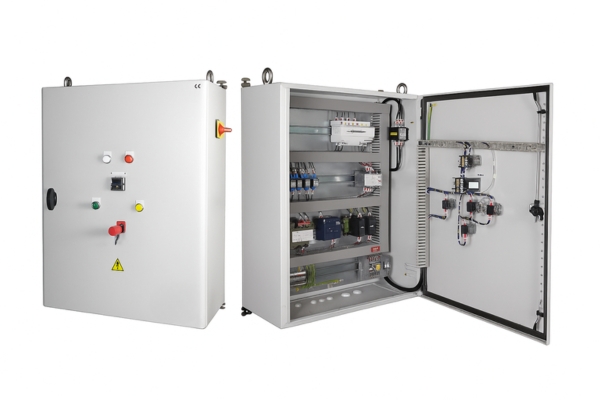
Introduction: Power Panels and Feeder Pillars in Modern Power Management
Power panels and feeder pillars are critical components of electrical distribution systems, managing both indoor and outdoor power flow efficiently. Whether you’re powering a commercial facility, residential complex, or industrial plant, having a reliable and well-structured distribution panel setup determines not just safety, but long-term electrical performance.
In India, with growing infrastructure and the shift towards smarter energy systems, companies like DJ Electro Controls are stepping up to supply robust, scalable, and application-specific panels.
This guide explores how integrated power panels and feeder pillars function, how they’re used differently indoors and outdoors, and what to consider when choosing the right setup for your needs.
Understanding Power Panels and Their Different Functions
Power panels are distribution units that receive electricity from the main source and divide it into subsidiary circuits. These are used in all types of buildings and industrial setups.
Types of Power Panels Commonly Used:
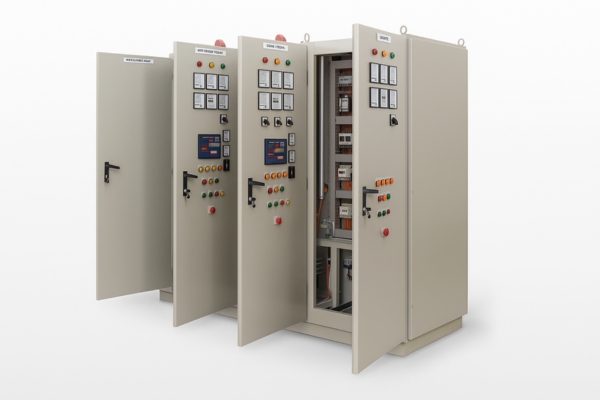
- LT Panels (Low Tension) – Manage power below 1000 volts, typically used in residential and commercial buildings.
- HT Panels (High Tension) – Handle voltages above 11 kV, mostly for industrial and large-scale facilities.
- PCC Panels (Power Control Centre) – Used for controlling the entire power distribution of a plant.
- MCC Panels (Motor Control Centre) – Designed for motor control in industrial systems.
- Distribution Panels – Distribute power to various locations, typically through circuit breakers and fuses.
Each type of panel has a unique set of functionalities. Together, they ensure the stable, safe, and consistent flow of electricity.
Understanding Feeder Pillar Panel
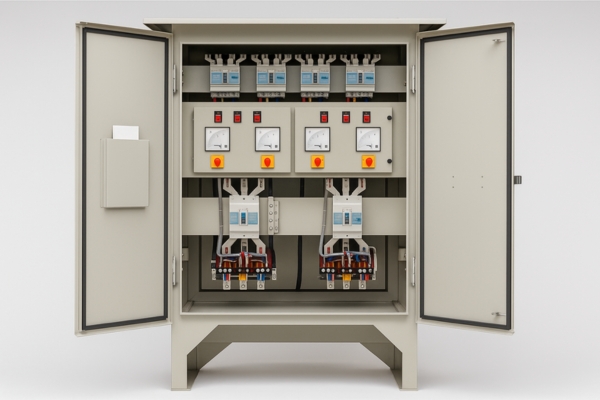
A feeder pillar panel is typically installed outdoors and serves as a central point where power is distributed to different branch circuits. It’s widely used in outdoor environments like:
- Public street lighting systems
- Residential societies
- Industrial zones
- Parking lots
- Commercial complexes
These panels are built to endure harsh weather conditions while maintaining electrical safety and reliability.
Indoor vs Outdoor Applications: Key Differences
Understanding the use case of power panels and feeder pillars starts with identifying their placement – indoor or outdoor.
Indoor Power Panels:
- Installed inside buildings or control rooms
- Often enclosed in MS (mild steel) or CRCA material
- Requires less weatherproofing
- Ideal for MCC, PCC, and LT panels
Outdoor Feeder Pillars:
- Installed outside to handle direct weather exposure
- Constructed with weather-resistant materials like IP55-rated enclosures
- Often powder-coated or galvanised
- Suitable for parks, societies, industrial units
Why Integration Matters: Combining Power Panels and Feeder Pillars
An integrated setup helps centralise the control system, reduce cabling costs, and simplify future expansions. It also supports better protection, as both indoor and outdoor units are synchronised for safety and functionality.
Advantages of Integration:
- Better load management
- Reduced energy losses
- Easier maintenance
- Enhanced protection against overloading
- Centralised monitoring
Key Considerations When Choosing Panels
When selecting a power panel or feeder pillar, these are the most common factors customers overlook – but shouldn’t.
1. Type of Load
Understanding the total load capacity will determine what panel suits your system. For instance, a high-load plant might need HT panels with relay protection.
2. Application Environment
Outdoor areas need feeder pillars with IP-rated enclosures, while indoor ones can be basic metal cabinets.
3. Safety Standards
Panels should follow IS/IEC standards with provisions like ELCBs, MCBs, and surge protection.
4. Panel Material & Finishing
Galvanised steel and powder-coating extend the life of the panels, especially outdoors.
5. Manufacturer’s Expertise
Choose a panel manufacturer in India like DJ Electro Controls, known for quality manufacturing and customisation capabilities.
Use Cases Across Sectors
Real Estate:
- High-rise apartments
- Commercial office buildings
- Gated communities
Industrial:
- Manufacturing units
- Chemical plants
- Warehouses
Infrastructure:
- Highways and expressways (feeder pillars for lighting)
- Railway platforms
- Airports
Why DJ Electro Controls is a Trusted Power Panels Supplier
DJ Electro Controls, based in India, has built a reputation as a reliable power panels supplier and feeder pillar manufacturer. Their products are built for Indian conditions, ensuring:
- Dust and moisture resistance
- Compatibility with local standards
- Long-term reliability
- Custom design and production
Whether it’s an LT panel for a shopping mall or a weatherproof feeder pillar for a public lighting project, DJ Electro Controls delivers quality.
Key Features to Look For in Power Panels and Feeder Pillars
- Cable alleys for easy connection
- Earth leakage protection
- Padlocking systems for safety
- Metering and energy monitoring units
- Circuit breaker-based architecture
- Easy-access maintenance design
FAQs
Q1. What is the difference between a power panel and a feeder pillar?
Answer: A power panel is generally used indoors to manage and distribute electricity within buildings. A feeder pillar is installed outdoors to distribute power across wider areas, such as lighting or public infrastructure.
Q2. Where are feeder pillar panels used most commonly?
Answer: Feeder pillars are widely used in street lighting, industrial outdoor setups, housing societies, and public infrastructure to distribute electricity reliably.
Q3. Can a power panel be used outdoors?
Answer: Regular indoor power panels are not designed for outdoor use unless they are modified with IP-rated weatherproof enclosures.
Q4. What protection systems are included in modern panels?
Answer: Modern panels include surge protectors, overload relays, short-circuit protection, and earth leakage systems.
Q5. How do I choose the right power panels supplier?
Answer: Choose a supplier with proven experience, quality certifications, the ability to customise, and adherence to BIS and IEC standards—like DJ Electro Controls.
Q6. Do integrated panels reduce energy losses?
Answer: Yes. Integrated systems minimise cable lengths and voltage drops, improving overall efficiency.
Q7. Are feeder pillars customisable?
Answer: Absolutely. Manufacturers like DJ Electro Controls offer customisable feeder pillar panels suited to specific voltage, load, and environment needs.
Making the Right Choice for Your Distribution Needs
Choosing the right mix of power panels and feeder pillars ensures electrical safety, system longevity, and ease of maintenance. As power demands grow and safety standards tighten, having a well-thought-out panel infrastructure is not just a technical need it’s a business necessity.
For projects requiring dependable indoor or outdoor distribution systems, working with an experienced manufacturer is key. DJ Electro Controls provides not only standard panels but also offers tailored solutions to meet the needs of complex power systems.
Looking to upgrade or install power distribution systems? Get in touch with DJ Electro Controls today to discuss your project needs and receive expert guidance built around Indian industry requirements.