
Industrial Power Distribution System: Components and Panels Explained


An industrial power distribution system is the backbone of any manufacturing plant, infrastructure project, or large commercial facility. It ensures that electrical power from the utility grid or generators is safely distributed to machines, motors, control systems, and operational equipment.
A properly engineered power distribution system includes transformers, switchgear equipment, and multiple electrical distribution panels that regulate, protect, and distribute electricity across different loads. These systems must handle high electrical demand while maintaining safety, reliability, and energy efficiency.
Electrical panel manufacturers such as Dj Electro Controls, an electrical control panel manufacturer in India, design and supply specialised industrial electrical panels including PCC panels, MCC panels, LT panels, HT panels, switchgear panels, feeder pillar panels, capacitor panels, and APFC panels. Each panel performs a specific role within the overall industrial power distribution system.
Understanding how these power distribution system components work together helps engineers and facility managers design reliable and scalable electrical infrastructure.
What is an industrial power distribution system?
An industrial power distribution system refers to the electrical network responsible for transferring electricity from the main supply source to different loads inside an industrial facility.
The process typically begins with high-voltage power received from the utility grid through HT panels. This power is then stepped down using transformers and routed through main distribution panels such as PCC panels.
From there, the electricity flows through secondary power distribution panels such as MCC panels and LT panels, eventually reaching equipment, machinery, lighting systems, and automation controls.
The system performs three critical functions:
- Power distribution across different loads
- Protection against electrical faults
- Control and monitoring of electrical equipment
A well-designed industrial power distribution system ensures consistent electrical supply, protects critical assets, and supports efficient plant operations.
Importance of Power Distribution in Industrial Facilities
Reliable power distribution is essential for maintaining continuous industrial operations. Any disruption in the power distribution system can lead to production losses, equipment failures, and safety risks.
Industrial plants operate with heavy electrical loads including motors, compressors, pumps, and automated production systems. Properly designed industrial electrical panels help distribute this power efficiently while maintaining voltage stability and protection.
A robust electrical distribution panel system provides several operational benefits.
Improved system reliability
Stable distribution prevents unexpected power interruptions that could disrupt production.
Enhanced equipment protection
Protective devices within panels detect faults and isolate affected circuits before equipment damage occurs.
Energy efficiency
Systems using APFC panels and capacitor banks maintain proper power factor, reducing energy losses and electricity costs.
Scalable infrastructure
Modern distribution panel boards allow industries to expand electrical capacity as operations grow.
Key Components of an Industrial Power Distribution System
An effective industrial power distribution system includes multiple specialized panels that control and distribute power at different levels.
PCC Panels
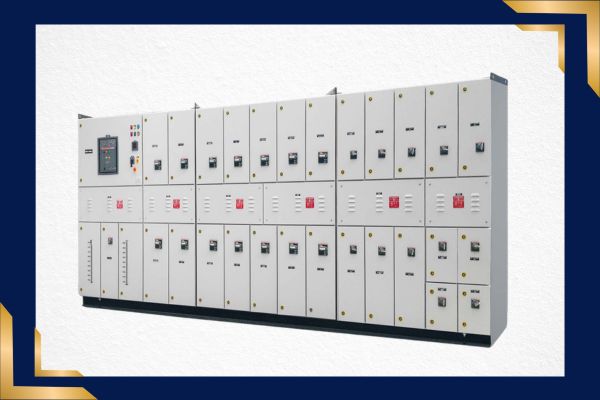
A PCC panel (Power Control Center) acts as the main power distribution hub of an industrial electrical network.
It receives electricity from transformers or generators and distributes it to downstream panels such as MCC panels and LT panels. PCC panels typically include circuit breakers, busbars, protection relays, and metering systems that allow engineers to monitor incoming and outgoing feeders.
These panels are usually installed in main electrical rooms and serve as the central control point of the facility’s power distribution system.
MCC Panels
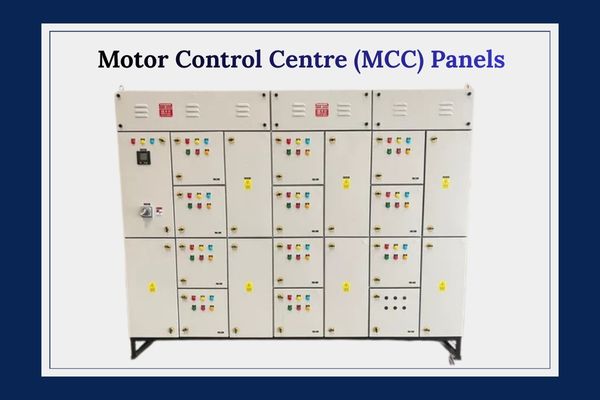
MCC panels (Motor Control Centers) are designed to control and protect electric motors used in industrial processes.
Industrial plants often operate multiple motors for pumps, compressors, conveyors, and processing equipment. MCC panels centralize the control of these motors, making operation and maintenance more efficient.
These panels contain motor starters, contactors, overload protection devices, and monitoring systems that help ensure safe motor operation.
LT Panels
LT panels (Low Tension panels) distribute electrical power at lower voltage levels throughout the facility.
They receive power from PCC panels and distribute it to different equipment sections. LT panels contain circuit breakers and protective devices that safeguard machinery and electrical circuits.
These panels are widely used in factories, commercial complexes, and infrastructure installations where stable low-voltage distribution is required.
HT Panels
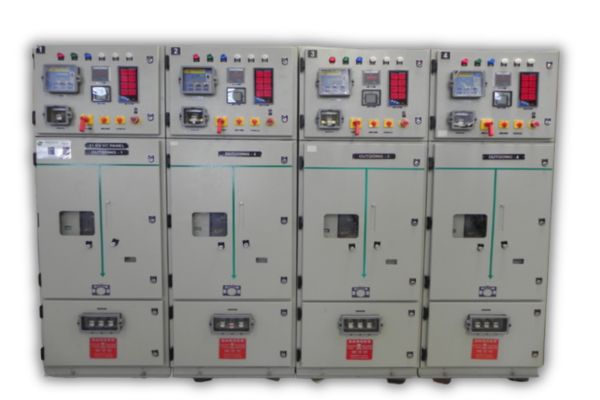
HT panels (High Tension panels) handle high-voltage incoming power from the utility grid.
These panels provide switching, protection, and isolation of high-voltage circuits. They are commonly used in large industrial plants where electrical loads require high-capacity power supply.
HT panels ensure that incoming power is properly controlled before it is stepped down for further distribution.
Switchgear Panels
Switchgear panels are responsible for protecting electrical systems from faults such as short circuits, overloads, and earth faults.
They detect abnormal electrical conditions and automatically disconnect the affected circuits to prevent equipment damage or fire hazards.
Modern switchgear systems also include monitoring and automation features that help improve the reliability of the industrial power distribution system.
Distribution Panels
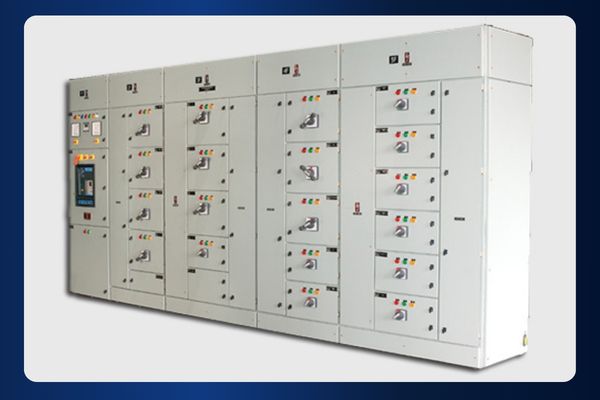
A distribution panel board is used to distribute electricity from main panels to smaller circuits across different areas of the facility.
These panels supply power to lighting systems, small equipment, control systems, and auxiliary loads. They also allow technicians to isolate circuits for maintenance or troubleshooting without affecting the entire facility.
Distribution panels represent the final stage of the power distribution system before electricity reaches end-use equipment.
Feeder Pillars
Feeder pillar panels are outdoor electrical distribution units used in industrial campuses and infrastructure projects.
They distribute electricity from the main power network to different buildings or operational zones. Feeder pillars are designed with weather-resistant enclosures and protective devices to ensure safe outdoor operation.
Capacitor Banks / APFC Panels
Large industrial loads such as motors and transformers create reactive power that reduces system efficiency.
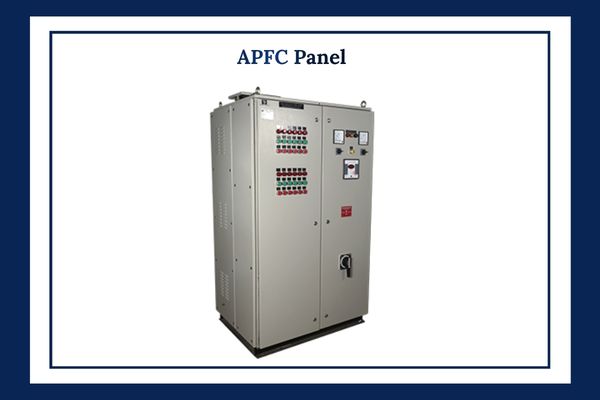
Capacitor panels and APFC panels (Automatic Power Factor Correction panels) compensate for this reactive power and maintain optimal power factor levels.
Maintaining proper power factor offers several advantages:
- Reduced electricity penalties from utility providers
- Improved voltage stability
- Increased efficiency of the industrial power distribution system
APFC panels automatically adjust capacitor banks depending on load conditions.
How Electrical Panels Control and Protect Industrial Power Flow
Electrical panels function as the control centers of an industrial power distribution system. They regulate electrical flow while protecting equipment and personnel from electrical faults.
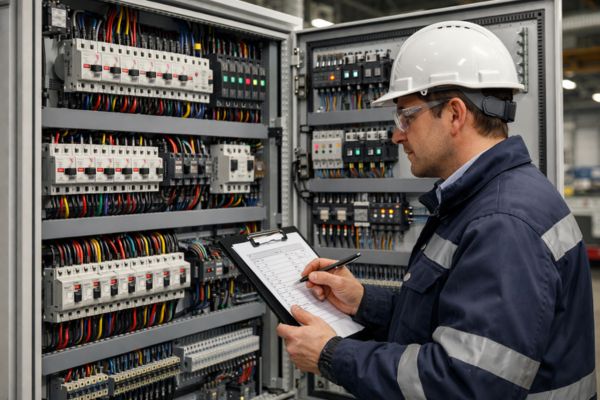
Each panel integrates several critical components including circuit breakers, busbars, protective relays, and metering devices.
Circuit breakers disconnect power during overloads or short circuits. Busbars distribute current between multiple circuits within the panel. Protection relays monitor electrical parameters and trigger fault isolation when abnormal conditions occur.
Together, these components ensure that the power distribution system operates safely and reliably.
Common Challenges in Industrial Power Distribution
Industrial facilities frequently face challenges related to electrical distribution and system performance.
One common issue is load imbalance, which occurs when electrical loads are unevenly distributed across phases. This can lead to overheating and reduced equipment life.
Another challenge is voltage fluctuations, which can affect sensitive equipment and automated systems. Poor power factor is also a frequent issue in industrial plants with heavy motor loads.
A well-designed industrial power distribution system, supported by properly engineered electrical distribution panels, helps minimize these problems and maintain system stability.
Choosing the Right Electrical Panel Manufacturer in India
Selecting the right electrical control panel manufacturer in India is critical for building reliable industrial electrical infrastructure.
Manufacturers should have strong engineering capabilities, adherence to national and international standards, and the ability to provide customized panel solutions.
A comprehensive product portfolio is also important. Manufacturers such as Dj Electro Controls produce a wide range of industrial electrical panels, including PCC panels, MCC panels, LT panels, HT panels, APFC panels, switchgear panels, feeder pillar panels, and distribution panels used across industrial and infrastructure projects.
Working with experienced panel manufacturers helps ensure safety, durability, and long-term system reliability.
Future Trends in Industrial Power Distribution Systems
Industrial electrical infrastructure is evolving with the integration of digital technologies and energy management systems.
Modern industrial power distribution systems increasingly incorporate smart monitoring, remote diagnostics, and IoT-enabled electrical panels. These technologies allow engineers to track energy consumption, detect faults early, and improve system efficiency.
Another growing trend is the integration of renewable energy systems such as solar power with industrial electrical networks. Advanced distribution panel boards are now designed to handle hybrid energy sources and dynamic load management.
These developments are shaping the future of industrial electrical engineering and improving the reliability of power distribution networks.
Final Thoughts
A reliable industrial power distribution system is essential for safe and efficient industrial operations. Electrical panels such as PCC panels, MCC panels, LT panels, HT panels, switchgear panels, feeder pillar panels, and APFC panels work together to control, distribute, and protect electrical power across industrial facilities.
Understanding these power distribution system components allows engineers, EPC contractors, and facility managers to design electrical networks that support long-term operational stability.
Industrial panel manufacturers such as Dj Electro Controls contribute to this infrastructure by providing engineered electrical distribution panels that meet the technical requirements of modern industrial power systems.