
Choosing the Right LT Panel for Industrial Power Distribution Systems

Industrial facilities depend on reliable electrical distribution to maintain production, protect assets and control operating costs. Choosing the right LT Panel for Industrial Power Distribution directly affects system stability, personnel safety and long-term efficiency. The right panel does far more than distribute power. It manages loads, isolates faults, supports automation and allows future expansion without disrupting operations.
An LT panel, or low tension panel, serves as the backbone of many electrical distribution systems operating at low voltage levels, typically up to 1000 V. Whether a plant requires motor control, power factor correction, feeder management or process integration, panel selection must align with load demands, fault conditions, compliance obligations and operational priorities. A poorly matched panel often creates downtime risks, maintenance challenges and energy inefficiencies. A well-engineered solution improves resilience and supports safer industrial performance.
What is an LT Panel and Its Role in Industrial Power Distribution
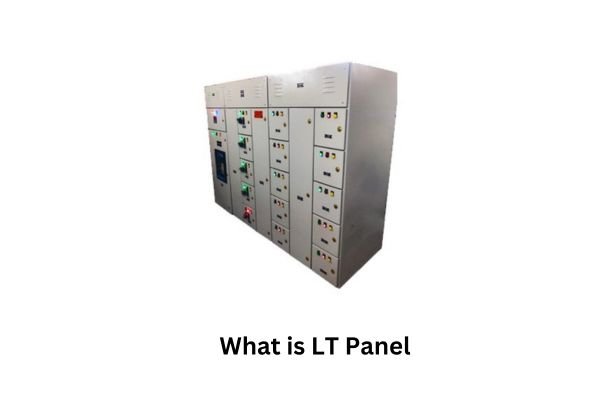
A low tension panel is an assembly of switchgear, protection devices, busbars, metering and control equipment designed to receive and distribute electrical power safely within a facility. In industrial environments, these power distribution panels regulate how energy flows to motors, process equipment, utilities and critical loads.
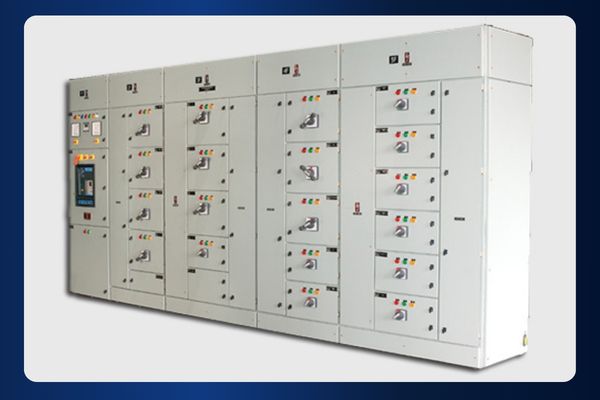
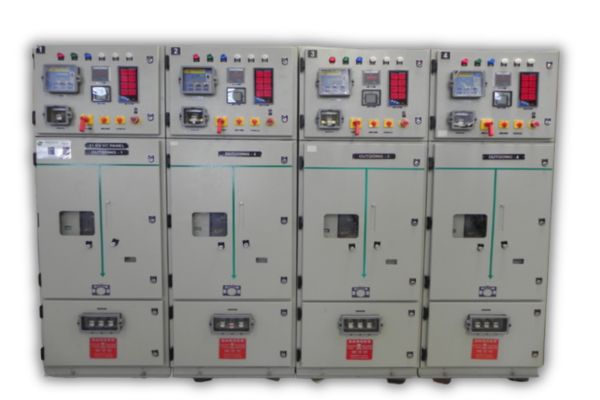
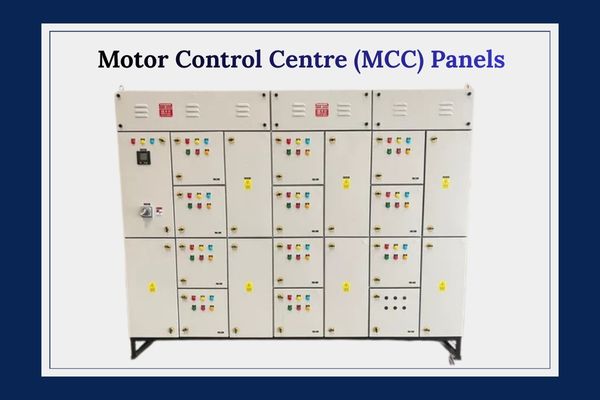
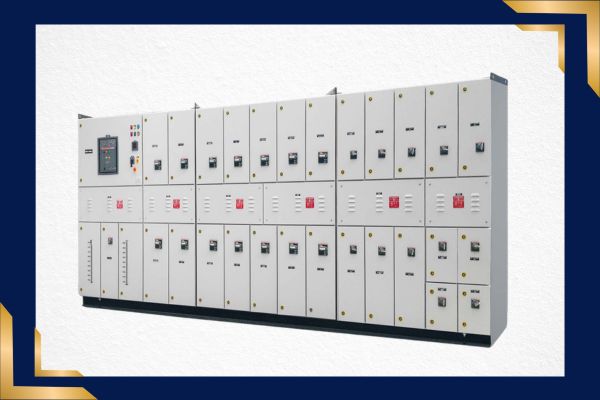
Most industrial LT panels fall into several functional categories. PCC panel systems handle incoming power and distribution control. MCC panel arrangements manage motor operations and process loads. Other industrial switchgear panels support synchronisation, feeder distribution or automation interfaces.
In practical terms, the LT panel acts as the control centre of the low-voltage network. It coordinates protection, maintains power continuity and reduces the impact of faults. In facilities with demanding production cycles, this role becomes critical for uptime and operational safety.
Types of LT Panels Used in Industrial Applications
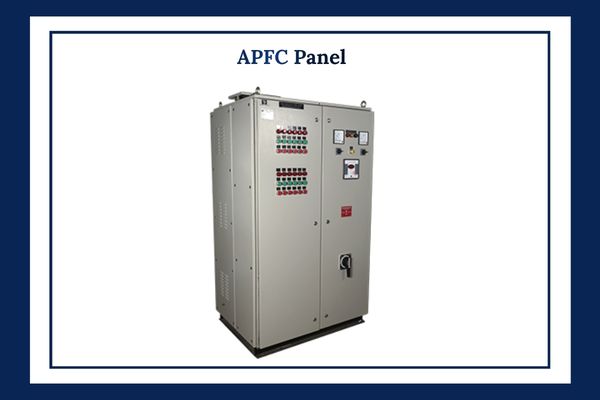
Industrial applications require different panel configurations based on process complexity and power architecture. The most common designs include PCC panels, MCC panels, feeder pillars, synchronisation panels, APFC panels and customised distribution boards.
PCC panels suit plants with substantial incoming loads and multiple outgoing feeders. They often integrate monitoring and protection for main distribution. MCC panels focus on motor-intensive environments such as manufacturing, water treatment and process industries. Facilities with varying power demands often combine both.
Custom-built industrial LT panels have become increasingly common because standard configurations rarely address every process requirement. Manufacturers such as Dj Electro Controls often engineer panels around plant-specific duty cycles, load patterns and control logic, which improves integration with real operating conditions.
Key Factors to Consider When Selecting an LT Panel
An effective LT panel selection guide always starts with application analysis rather than component comparison. Buyers often focus on enclosure size or breaker ratings too early, while the real decision depends on electrical behaviour, process demands and future scalability.
Several factors shape proper selection:
- Connected load, diversity factors, fault current levels and short-circuit withstand capacity
- Environmental conditions, maintenance access, redundancy needs and future expansion plans
These considerations influence not only the panel structure but also protection coordination, thermal performance and long-term reliability.
A panel designed only for present loads may struggle when capacity expands. Industrial facilities rarely remain static, so the panel should support process growth without major redesign.
Load Requirements, Fault Levels and System Compatibility
Load assessment forms the foundation of correct panel sizing. Engineers should evaluate connected load, demand load and starting characteristics, particularly where large motors or variable frequency drives operate. Incorrect assumptions here often lead to overheating, nuisance tripping or underperforming protection systems.
Fault level analysis matters just as much. A panel may appear correctly rated under normal conditions but fail under fault stress if short-circuit withstand values do not match site requirements. This is where many procurement-driven decisions go wrong.
System compatibility also deserves careful review. The selected LT Panel for Industrial Power Distribution should integrate with transformers, generators, automation systems and upstream protection schemes. Coordination studies help ensure protective devices operate selectively, limiting fault impact and preserving continuity.
Where harmonics or fluctuating loads exist, panel design may require specialised busbar sizing, filtering or derating. These design choices often separate a durable installation from one that becomes a maintenance burden.
Safety Standards, Compliance and Protection Features
Industrial electrical safety should never sit as a secondary consideration. Safety must drive panel specification from the beginning.
A properly engineered LT panel should comply with relevant standards such as IEC requirements and applicable local regulations. Compliance supports not only legal obligations but also performance consistency under demanding conditions.
Protection features should include dependable circuit protection, fault isolation, earth fault monitoring and suitable interlocking arrangements. Arc risk mitigation has become particularly important in modern industrial installations.
Good industrial switchgear panels often include the following:
- Protective relays, metering intelligence, interlocks and segregation features
- Type-tested construction, quality busbar systems and dependable earthing arrangements
These elements improve safety while reducing operational exposure to equipment damage and unplanned shutdowns.
Compliance should never become a paperwork exercise. In practice, robust protection design often determines whether a fault becomes a minor interruption or a major plant incident.
Importance of Panel Design, Component Quality and Scalability
Mechanical and electrical design quality strongly influences service life. Many performance issues originate not from incorrect ratings but from poor internal layout, inadequate ventilation or low-grade components.
Busbar arrangement, compartmentalisation, cable management and heat dissipation all affect long-term reliability. A well-designed panel improves maintenance access and lowers failure risk.
Component selection matters equally. Breakers, contactors, relays and metering devices should suit the duty cycle, not simply meet minimum specifications. Reputable LT panel manufacturers prioritise proven components because replacement costs and downtime usually outweigh initial savings.
Scalability also carries strategic value. A panel that supports additional feeders, automation upgrades or capacity expansion protects future investment. This flexibility often becomes crucial as facilities digitalise operations or increase production.
How Custom-Built LT Panels Improve Operational Efficiency
Custom engineering often delivers stronger outcomes than standard catalogue products. A custom panel reflects process realities rather than forcing operations to adapt around equipment limitations.
A tailored LT panel for industrial power distribution can improve feeder distribution, reduce energy losses and simplify maintenance. It can also support smarter load management, which improves efficiency across the plant.
For facilities using process automation, custom panels often integrate PLC interfaces, energy monitoring and remote diagnostics. These features support predictive maintenance and faster fault response.
Manufacturers such as Dj Electro Controls often develop custom solutions around industry-specific needs, whether for manufacturing, utilities or infrastructure projects. That project-driven engineering approach usually improves operational fit compared with generic solutions.
Common Mistakes Industries Make When Choosing LT Panels
Many selection problems arise because buyers treat the panel as a commodity rather than a critical engineered system.
One frequent mistake involves choosing based mainly on upfront cost. Lower-cost options may compromise protection coordination, build quality or expansion capability, creating higher lifecycle costs.
Another common error involves incomplete load analysis. Panels often get undersized when future growth or motor starting behaviour receives too little attention.
Some facilities also overlook environmental factors such as dust, heat, humidity or corrosive conditions. These conditions directly affect enclosure selection and component life.
Another major mistake involves selecting suppliers without reviewing design capability, testing standards or service support. The best LT panel manufacturer provides engineering value, not simply assembled hardware.
How to Select the Right LT Panel Manufacturer or Supplier
Supplier selection deserves as much scrutiny as technical specification. A capable manufacturer contributes to performance, compliance and project reliability.
Start by reviewing engineering expertise and industry experience. A supplier should understand electrical distribution systems, protection studies and application-specific requirements.
Evaluate manufacturing quality, testing procedures and documentation standards. Factory acceptance testing, type-tested designs and quality assurance processes reveal far more than product brochures.
Assess after-sales support as well. Industrial power systems require long service lives, so technical assistance and spares support matter.
When comparing suppliers, consider design capability, compliance record, custom engineering strength and project references rather than price alone. Experienced suppliers such as Dj Electro Controls often add value by helping clients optimise specifications before procurement.
Choosing the Best LT Panel for Your Facility
Choosing the right LT Panel for Industrial Power Distribution requires more than matching ratings on a datasheet. The decision should combine load analysis, fault studies, safety requirements, quality engineering and long-term operational planning.
For most industrial projects, the strongest results come from focusing on five essentials: application-specific design, robust protection, standards compliance, scalable construction and supplier expertise.
A well-selected low tension panel strengthens reliability, improves energy management and reduces risk throughout the facility. Whether specifying a PCC panel, MCC panel or custom-built distribution solution, decision-makers should treat panel selection as a strategic engineering investment rather than a routine purchase.
The right panel does not simply distribute power. It supports safer operations, protects continuity and enables industrial growth.
FAQs
Q1. What is the purpose of an LT panel in industrial power distribution?
Answer: An LT panel receives, controls and distributes low-voltage electrical power across industrial loads while providing protection, fault isolation and system monitoring.
Q2. How do I choose the right industrial LT panel?
Answer: Evaluate load requirements, fault levels, protection needs, compliance standards, scalability and the technical capability of the LT panel manufacturer before selection.
Q3. What is the difference between PCC and MCC panels?
Answer: A PCC panel manages incoming power distribution and feeder control, while an MCC panel controls and protects motors and motor-driven processes.
Q4. Why choose a custom-built LT panel instead of a standard panel?
Answer: Custom-built industrial LT panels improve system compatibility, operational efficiency and expansion flexibility and often provide better long-term value for specialised applications.