

Switchgear vs Distribution Panel: Key Differences You Must Know

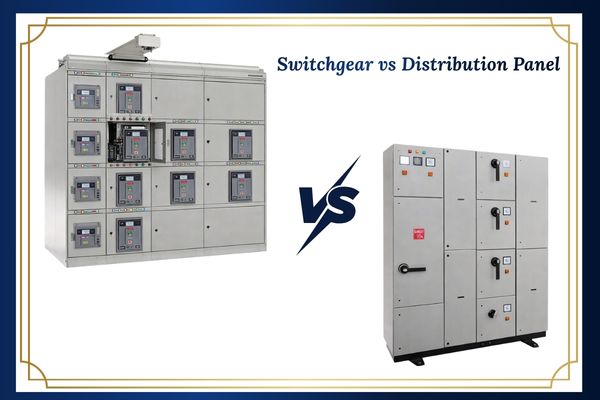
Electric systems often look simple from the outside, but behind every stable power supply lies a well-planned network of panels working together. When comparing switchgear vs distribution panel, many people assume both are identical. This confusion often leads to wrong panel selection, higher costs, and even safety risks.
If you are planning an industrial setup, commercial building, or infrastructure project, knowing the real difference between switchgear and distribution panel helps you make smarter decisions. This guide explains everything in a simple and practical way, so you know exactly where each panel fits and why it matters.
Why Understanding Switchgear vs Distribution Panel Matters
Choosing the wrong electrical panel is not just a technical mistake, it can affect performance, safety, and long-term maintenance.
Think of it this way. Electricity travels in stages before reaching machines, lighting, or equipment. At each stage, different panels handle different responsibilities. Switchgear and distribution panels are two of the most important parts of this chain.
If you mix their roles, the entire system can become inefficient or unsafe.
Switchgear vs Distribution Panel: Core Difference Explained
The difference between switchgear and distribution panel lies in their purpose and position in the electrical system.
Switchgear focuses on controlling and protecting electrical circuits at higher levels, while distribution panels focus on supplying electricity to different parts of a building or facility.
Here is a simple comparison to make things clear:
| Feature | Switchgear | Distribution Panel |
| Main Purpose | Protection and control | Power distribution |
| Voltage Level | Medium to high voltage | Low voltage |
| Installation Area | Substations and industries | Homes, offices, buildings |
| Role in System | Handles faults and isolation | Divides power into circuits |
This basic difference helps you understand why both panels are used together rather than as alternatives.
How Electricity Moves Through These Panels
To understand when to use switchgear vs distribution panel, it helps to follow the path of electricity.
- Power is generated and transmitted at high voltage
- Switchgear receives and protects the incoming supply
- Transformers reduce voltage levels
- Distribution panels supply power to end-use circuits
Switchgear acts like a safety control point, while distribution panels act like a delivery system.
Function of Switchgear in Real Applications
The function of switchgear goes far beyond just switching power on and off. It plays a vital role in maintaining system safety.
Switchgear helps in three main ways:
- It detects electrical faults such as short circuits or overloads
- It isolates the faulty section quickly
- It protects equipment from damage
In industries where machines run continuously, even a small fault can cause major losses. Switchgear helps prevent that by controlling the situation instantly.
Types of Switchgear Used Across Industries
Different industries use different types of switchgear depending on voltage and application.
Low voltage switchgear is commonly used in commercial buildings. Medium voltage switchgear is seen in manufacturing units and industrial plants. High voltage switchgear is used in power transmission systems.
There are also compact options like gas insulated switchgear, which are suitable for space-limited installations, and air insulated switchgear, which are widely used in standard industrial environments.
Switchgear panel suppliers in India often provide customised solutions based on load, space, and safety requirements.
Components of Switchgear Explained Simply
Switchgear includes several parts that work together to protect the system.
Circuit breakers interrupt fault currents and stop damage from spreading. Isolators allow safe maintenance by disconnecting sections. Protective relays detect abnormal conditions and trigger actions. Busbars carry electrical power within the system, while fuses provide an extra layer of protection.
Each component plays a role in making the system reliable and safe.
Role of Distribution Panel in Daily Power Use
While switchgear handles safety at higher levels, distribution panels manage everyday electricity usage.
A distribution panel takes incoming power and divides it into smaller circuits. These circuits supply electricity to lighting, equipment, and other electrical points.
Without a distribution panel, it would be difficult to control or manage power across different areas of a building.
Components of Distribution Panel
Distribution panels are simpler compared to switchgear but still very important.
They include:
- Main breaker to control the entire panel
- MCBs to protect individual circuits
- Busbars to distribute electricity
- Enclosure for safety
- Neutral and earth bars for stability
These components help maintain safe and organised power distribution.
Is Switchgear Same as Distribution Panel?
This is one of the most common questions.
Switchgear is not the same as a distribution panel. Both serve different purposes and operate at different levels of the electrical system.
Switchgear focuses on protection and control, while distribution panels focus on supplying electricity to end users.
Understanding this difference helps avoid wrong installations and improves system efficiency.
When to Use Switchgear vs Distribution Panel
Choosing the right panel depends on your specific requirement.
Use switchgear when your setup involves heavy load, high voltage, or industrial machinery. It is also required when fault protection and system control are important.
Use distribution panels when you need to supply power to multiple circuits in homes, offices, or commercial spaces.
In most large projects, both panels are used together to create a complete electrical system.
How to Choose the Right Panel for Your Project
Selecting the correct panel is not just about technical knowledge. It also depends on planning and understanding your needs.
Here are a few practical factors to consider:
- Load capacity and type of application
- Voltage level of the system
- Safety requirements
- Future expansion plans
Working with an experienced electrical panel manufacturer in India helps you avoid common mistakes and select the right configuration.
Companies like Dj Electro Controls provide solutions that match specific project needs, whether it is switchgear or distribution panels.
Common Mistakes People Make While Selecting Panels
Many people focus only on cost and ignore technical suitability.
Some common mistakes include choosing a distribution panel where switchgear is required, ignoring proper load calculations, and not planning for future expansion.
These mistakes can lead to system failure, safety issues, and increased maintenance costs.
The Growing Demand for Smart Electrical Panels
Modern electrical systems are becoming more efficient and easier to manage.
Smart switchgear now allows remote monitoring and faster fault detection. Distribution panels are also becoming more compact and energy-efficient.
These improvements help industries reduce downtime and improve overall performance.
Conclusion
Understanding Switchgear vs Distribution Panel helps you design a safer and more efficient electrical system. Both panels serve different roles, yet they work together to manage and distribute electricity properly.
Making the right choice at the planning stage saves cost, improves safety, and supports long-term performance.
If you are working on a new project or upgrading an existing system, consulting experienced switchgear panel suppliers in India such as Dj Electro Controls can help you choose the right solution based on your exact needs.
FAQ
1. What is the main difference between switchgear and distribution panel?
Switchgear protects electrical systems from faults, while distribution panels distribute electricity to different circuits.
2. When should I use switchgear?
Switchgear is used in high voltage or industrial setups where safety and fault protection are required.
3. Is switchgear same as distribution panel?
No, both are different. Switchgear handles protection, while distribution panels handle power distribution.
4. What are the components of switchgear?
Switchgear includes circuit breakers, relays, isolators, busbars, and fuses.
5. What are the components of distribution panel?
Distribution panels include MCBs, main breakers, busbars, and protective enclosures.
6. Which panel is used in homes?
Distribution panels are commonly used in residential and commercial buildings.
7. How do I choose between switchgear and distribution panel?
It depends on voltage level, load, and application. Industrial setups require switchgear, while buildings use distribution panels.