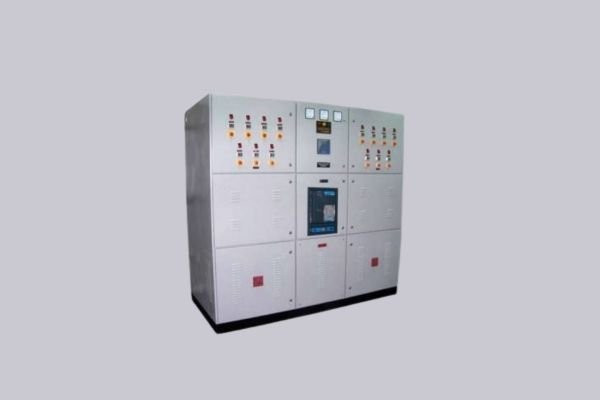

Why Every Industrial APFC Panel Matters for Power Efficiency

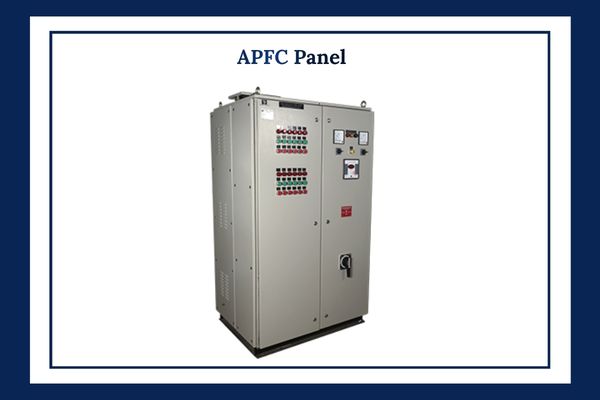
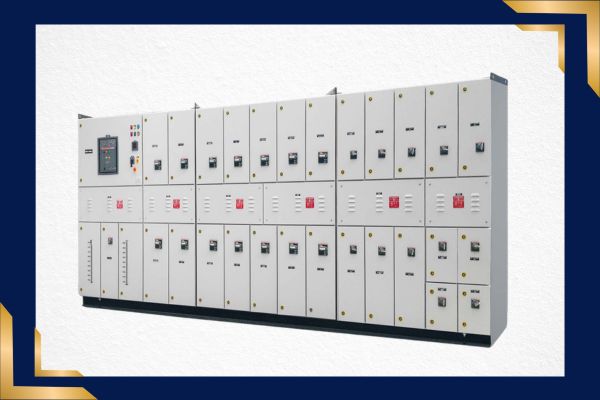
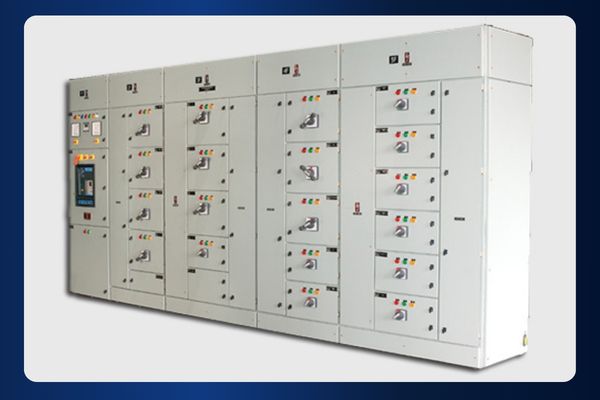
An industrial APFC panel plays a direct role in how efficiently electrical power is used inside a factory. Many industries focus only on units consumed, but the real issue often lies in poor power factor. When power factor drops, the system draws more current than required, leading to higher losses and penalty charges from electricity boards.
This is where an automatic power factor correction panel becomes essential. It keeps the electrical system balanced, reduces unnecessary load, and helps industries operate within prescribed limits. Understanding how this works can help businesses take better control of their energy expenses.
Understanding Power Factor in Simple Terms
Before going deeper, it is important to understand what power factor means in everyday terms.
In any industrial setup, machines such as motors, compressors, and pumps require power to operate. This power has two components. One performs actual work, and the other supports the system without doing useful work.
When the balance between these two components is poor, the system becomes inefficient. This imbalance is measured as power factor. A low power factor means the system is drawing extra current for the same output. This leads to overheating, voltage drops, and higher electricity bills.
How an Industrial APFC Panel Controls Power Factor
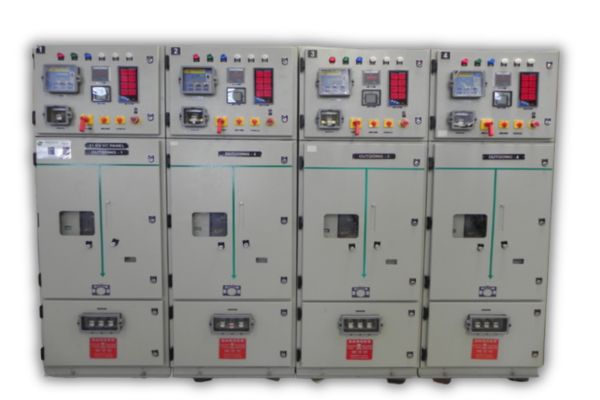
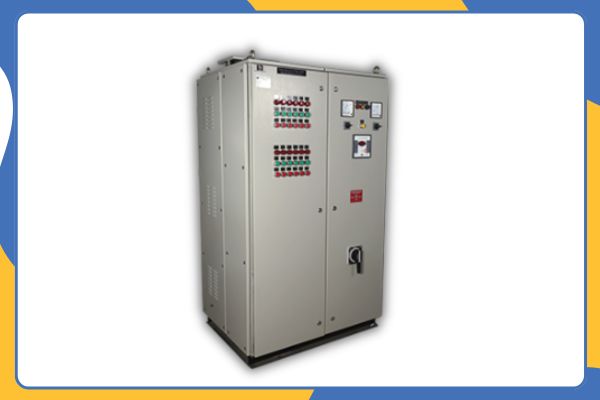
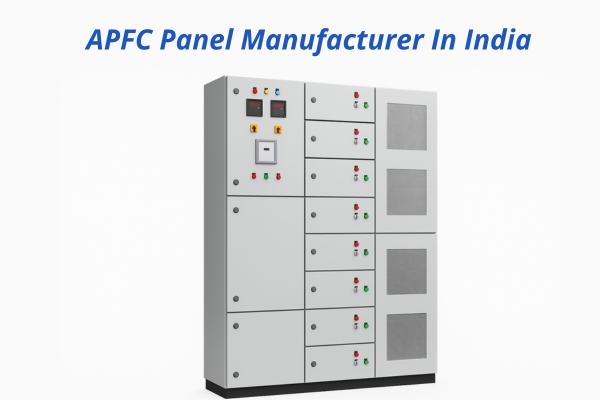
The industrial APFC panel works continuously in the background. It monitors the power factor and corrects it without manual input.
The panel uses a relay that checks the power factor in real time. When the value falls below the set level, the system activates capacitor banks. These capacitors supply the required reactive power, which improves the overall balance.
As the load changes during operations, the panel adjusts accordingly. This automatic correction is what makes the system reliable for industries with fluctuating loads.
The APFC panel working principle is simple in concept but precise in execution. It ensures that the system only draws what is necessary, avoiding excess load.
A Closer Look at System Operation
To make the working easier to understand, here is a simple representation of how the system responds:
| System Condition | Panel Response |
| Power factor drops | Capacitors are added |
| Power factor stabilises | No change |
| Power factor rises above limit | Capacitors are removed |
This continuous adjustment keeps the electrical system stable throughout the day.
How Does an APFC Panel Reduce Electricity Bills in Industries
Many industrial users often ask how this panel directly impacts costs. The answer lies in how electricity billing works.
Electricity providers in India monitor power factor closely. If it falls below a certain level, penalties are applied. At the same time, poor power factor increases system losses, which means more energy is consumed for the same output.
When an automatic power factor correction panel is installed, it keeps the power factor within acceptable limits. This removes penalties and reduces wasted energy.
A better power factor also reduces the maximum demand recorded, which further lowers the electricity bill. Over time, this creates noticeable savings.
APFC Panel Benefits in Day-to-Day Industrial Operations
The APFC panel benefits are visible not just in billing but also in overall performance.
When the electrical system operates efficiently, equipment runs under stable conditions. Motors draw balanced current, transformers experience less stress, and voltage levels remain steady.
This leads to fewer breakdowns and smoother operations. In manufacturing environments, even small improvements in stability can improve productivity.
The benefits of automatic power factor correction panel in manufacturing become more evident in industries with continuous operations, where even minor inefficiencies can add up over time.
Types of APFC Panels and Their Practical Use
Different industries have different load patterns. Because of this, there are multiple types of APFC panels and their applications.
Some panels are suitable for steady loads, while others are designed for rapidly changing conditions. For example, industries with welding machines or heavy machinery require faster response systems.
Choosing the correct type depends on load variation, harmonic presence, and operational needs. A reliable APFC panel supplier in India studies these factors before suggesting a solution.
Difference Between APFC and Capacitor Bank Panel
The difference between APFC and capacitor bank panel often creates confusion.
A capacitor bank panel provides fixed correction. It does not respond to changes in load automatically. This makes it suitable for systems where load remains constant.
An APFC panel, on the other hand, adjusts continuously. It switches capacitor steps based on real-time conditions. This makes it more suitable for industrial environments where loads change frequently.
| Feature | APFC Panel | Capacitor Bank Panel |
| Control | Automatic | Manual or fixed |
| Adaptability | High | Limited |
| Suitability | Variable loads | Constant loads |
This difference explains why most industries prefer APFC panels.
Why Indian Industries Are Moving Towards APFC Panels
Industrial power consumption in India continues to grow. At the same time, electricity tariffs and regulations are becoming stricter.
Industries are expected to maintain a certain power factor to avoid penalties. This has made APFC panels a practical addition to electrical systems.
Apart from compliance, industries also aim to reduce operating costs. An industrial APFC panel supports both goals by improving efficiency and reducing wastage.
Manufacturers like Dj Electro Controls provide panels that match local industrial conditions, making them suitable for a wide range of applications.
Choosing the Right APFC Panel for Your Facility
Selecting the right panel is not just about capacity. It requires an understanding of the entire electrical system.
Factors such as load variation, harmonic levels, and operating hours play an important role. A panel designed without proper analysis may not deliver expected results.
An experienced industrial electrical panels manufacturer studies these aspects before designing the panel. This ensures that the system performs efficiently over the long term.
Simple Maintenance That Keeps Performance Consistent
Like any electrical equipment, APFC panels require periodic attention.
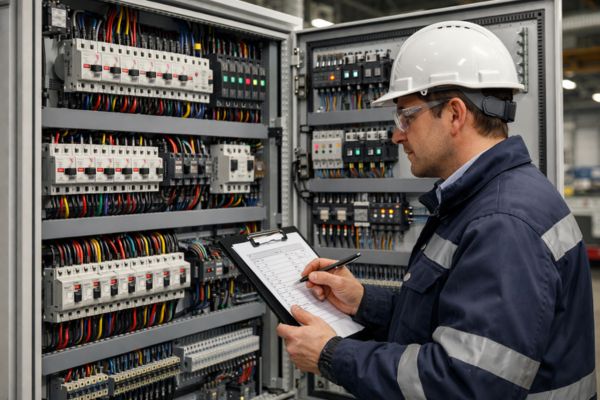
Routine checks help identify loose connections, dust accumulation, or component wear. Keeping the panel clean and well-maintained helps avoid unexpected issues.
Monitoring power factor regularly also helps confirm that the system is performing as expected. With proper care, the panel continues to deliver consistent results.
Making Power Efficiency a Practical Advantage
Power efficiency is no longer just a technical requirement. It directly affects operational costs and long-term performance. An industrial APFC panel helps industries take control of their energy usage by maintaining a stable power factor and reducing unnecessary losses.
For businesses aiming to improve efficiency without major system changes, this solution offers a practical path forward. With the right design and proper installation, the results are visible in both performance and cost savings.
If you are planning to optimise your electrical system, connecting with an experienced manufacturer like Dj Electro Controls can help you move in the right direction with a solution that fits your operational needs.
FAQs
Q1. What is the ideal power factor for industrial use?
Most utilities expect industries to maintain a power factor close to 0.95 or higher to avoid penalties.
Q2. How does an APFC panel work automatically?
It uses a relay to monitor power factor and switches capacitor banks based on system requirements.
Q3. How does an APFC panel reduce electricity bills in industries?
It removes penalty charges, reduces energy losses, and improves system efficiency.
Q4. Are APFC panels suitable for all industries?
Yes, they are useful for any industry with inductive loads such as motors and transformers.
Q5. What is the difference between APFC and capacitor bank panel?
APFC panels adjust automatically, while capacitor bank panels provide fixed correction.
Q6. How to select an APFC panel supplier in India?
Look for experience, proper design capability, and after-sales support.
Q5. Do APFC panels require regular maintenance?
Yes, periodic inspection and cleaning help maintain consistent performance.