
APFC Panels vs Capacitor Panels: Key Differences


Understanding APFC Panels vs Capacitor Panels
When it comes to improving power factor in electrical systems, two terms often come up: APFC Panels vs Capacitor Panels: Key Differences. Both play vital roles in industrial and commercial electrical infrastructure, yet they serve distinct purposes. Knowing which one is right for your setup can reduce electricity bills, avoid penalties, and ensure better energy efficiency.
Whether you’re an industrial user in Mumbai or seeking advice from a top capacitor panel supplier and manufacturer in India, this blog will break down the core differences in simple, easy-to-understand language.
What Are Capacitor Panels?
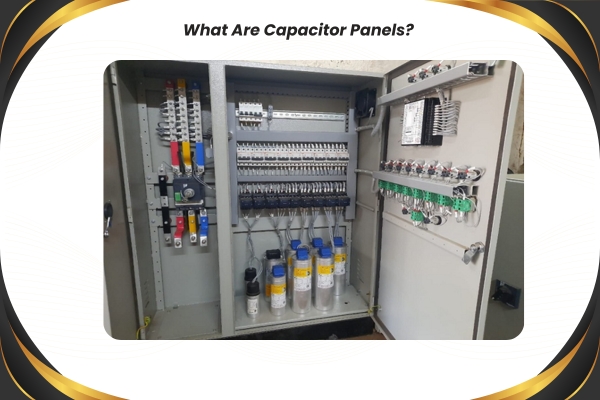
Capacitor panels are basic electrical control units that house a set of power capacitors. Their primary function is to improve the power factor by manually injecting reactive power into the system.
Key Features of Capacitor Panels:
- Comprise fixed banks of capacitors
- Operated manually or through a basic timer
- Cost-effective for small to medium loads
- Ideal for stable load conditions
- Require regular maintenance to avoid overcompensation
These panels are widely used in industries with steady loads like textile units, printing presses, and workshops.
What Are APFC Panels?
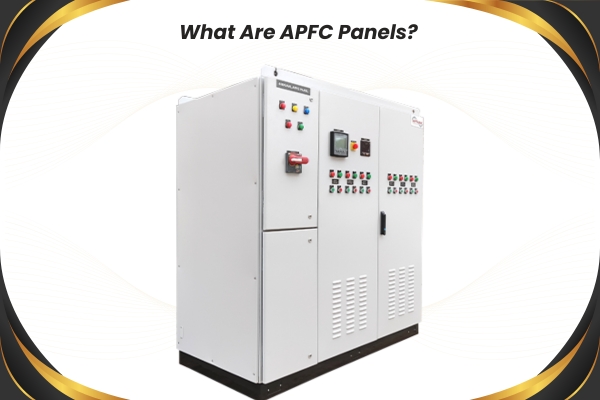
APFC panels, or Automatic Power Factor Correction panels, go a step further. Designed with intelligent controllers, they automatically detect load conditions and switch capacitor banks on or off accordingly.
Key Features of APFC Panels:
- Microprocessor or PLC-based automatic control
- Suitable for fluctuating load environments
- Prevents power factor penalties automatically
- Ensures optimal capacitor usage
- Ideal for commercial buildings, shopping malls, and variable-load factories
Leading APFC panel manufacturers like Dj Electro Controls focus on providing custom-designed panels for high-performance industrial setups.
APFC Panels vs Capacitor Panels: Key Differences
Here’s a breakdown of how these two panels differ in key areas:
1. Control Mechanism
- Capacitor Panels: Manual or timer-based switching
- APFC Panels: Automatic switching using advanced relays and controllers
2. Suitability
- Capacitor Panels: Suitable for constant load systems
- APFC Panels: Ideal for variable or dynamic load conditions
3. Power Factor Accuracy
- Capacitor Panels: Risk of under or over-correction
- APFC Panels: Accurate correction to the desired level, typically near unity
4. Cost & Investment
- Capacitor Panels: Lower initial cost, higher manual intervention
- APFC Panels: Higher initial cost but long-term savings due to automation
5. Maintenance Requirements
- Capacitor Panels: Need regular manual checks
- APFC Panels: Minimal manual intervention, self-adjusting system
Why Choosing the Right Panel Matters
Improper power factor management can lead to:
- Increased electricity bills
- Power factor penalties from DISCOMs
- Overheating of cables and transformers
- Poor utilisation of electrical infrastructure
That’s why industries increasingly opt for APFC panels over basic capacitor panels, especially in places like Mumbai where fluctuating load demands are common.
If you’re searching for a capacitor panel or need consultation from a reputed APFC panel manufacturer like Dj Electro Controls, it’s vital to consider your load pattern, future expansion plans, and automation requirements.
When to Use Which Panel?
Use Capacitor Panels When:
- Your load is relatively constant
- Budget is a major concern
- Manual control is manageable
Use APFC Panels When:
- Load fluctuates throughout the day
- You want minimal manual intervention
- You aim to avoid reactive power penalties
- Automation is a priority in your facility
FAQs
Q1. What is the major advantage of using an APFC panel over a capacitor panel?
Answer: The biggest advantage is automation. APFC panels auto-adjust the capacitor load based on real-time conditions, ensuring optimal power factor at all times without manual effort.
Q2. Can I upgrade a capacitor panel to an APFC panel?
Answer: Yes, it’s possible by adding automatic controllers and segmenting capacitor banks. However, it’s best to consult a specialist APFC panel manufacturer to evaluate compatibility and cost-effectiveness.
Q3. Is it worth investing in APFC panels for small industries?
Answer: If your load fluctuates and you’re being charged power factor penalties, APFC panels are a smart investment, even for small industries.
Q4. Which is better for energy savings: capacitor panel or APFC panel?
Answer: APFC panels provide consistent energy savings as they maintain near-unity power factor automatically, unlike capacitor panels which can only offer partial or fixed compensation.
Q5. Who is the best APFC panel manufacturer in India?
Answer: There are many reputed companies, but Dj Electro Controls stands out due to its industry-grade designs, quality components, and service reliability.
Conclusion
Both capacitor panels and APFC panels serve the same core function: improving power factor. However, the APFC Panels vs Capacitor Panels: Key Differences come down to automation, efficiency, and long-term value. If your industry operates under variable load conditions and demands modern energy management, investing in a high-quality APFC panel from a trusted name like Dj Electro Controls can make all the difference.